Molten Salt HT
- Part number
- RXSOL-68-1436-050
- Category
- Metal Treatment
- Brand
- RXSOL
Overview
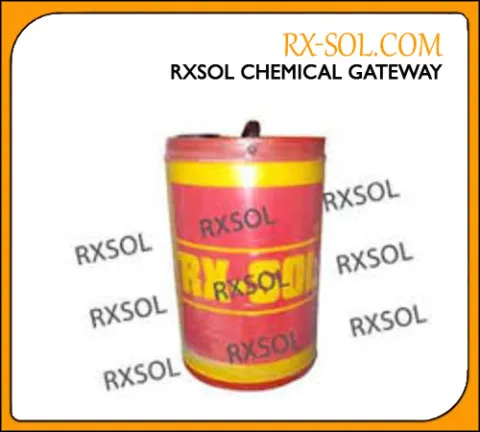
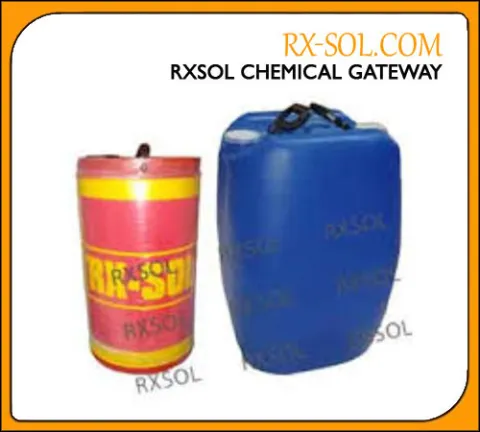
Molten Salts have been used as medium of heat transfer since many years in the Chemical, Metal refining, Glass, Nuclear and Solar Energy sectors. Molten Salts HT are usually a eutectic mixture of potassium nitrate, Sodium Nitrate and Sodium Nitrite,based salts. A eutectic mixture is a mixture of components which usually do not interact to form a new chemical compound but, which at certain ratios, form a system having a lower melting point than that of either of the components.
Technical specifications
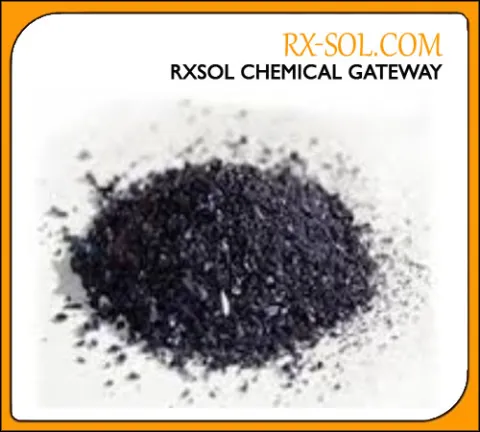
| Appearance | : | White to yellow Crystaline Powder |
| Odour | : | Odourless |
| Meting Point | : | 143°C |
| Bulk Densiry | : | 2.10 |
| Chloride Content | : | Less Then 0.2% |
Applications
The range of application of RXSOL Molten Salts HT in heat transfer technology ranges from 200°C up to 850°C depending up on the constituents of the eutectic mixture. For applications requiring a heat transfer fluid temperature above 350°C Molten Salt HT is the preferred medium. Water has been found to be uneconomical above 200°C due to high pressure while organic and synthetic oils start degrading above 350°C. These organic or synthetic oils also pose the problem of carbon formation and high vapor pressure, both of which are absent in the case of Molten Salts HT.
Characteristics and notes
Chemical Plant ::
Due to its stability at temperatures above 350°C nitrate-nitrite mixtures of Molten Salt HT have been widely used in heat transfer technology in the production organic & fine chemicals, Anhydrides, caustic soda, melamine, Glass manufacturing, metal refining and steel industry.
Solar Thermal Power Plants ::
RXSOL Molten salts HT also display a high heat retention capacity as well as higher stability at elevated temperatures as compared to HTF oil which has led to the extensive use of molten salt in the solar energy sector as both a heat transfer and thermal storage fluid. RXSOL Molten Salt HT is a nitrate based salt comprising high purity nitrates, nitrites of sodium and potassium. The composition provides superior thermal performance at a lower cost. The RXSOL Molten salts HT proves to be very effective and economical when used as a heat transfer and heat storage medium in Solar thermal power plants. The major performance of our Molten Salt HT its ability to store large amounts of heat in a small volume.
Safety and SDS
Read the safety data sheet before handling. Wear suitable gloves and eye protection.
View safety data sheet
| Product Name | Molten Salt HT |
| Part Number | RXSOL-68-1436-050 |
Company Details:
RX MARINE INTERNATIONAL
105, A wing , BSEL , TECH PARK.
VASHI ,NEW BOMBAY 400703 INDIA
Branch : Kandla, Mumbai , Chennai, Vizag, Kolkata, UAE , OMAN , CANADA and KENYA
| Phone | +91 22 20871200 - 1400 |
| Fax | +91 22 27612100 :::AOH :0091 9821214367 |
| rxsolchemicals@gmail.com/ |
| Name of Substance | Cas Number | EC Number | Wight % |
| POTASSIUM NITRATE | 7757-79-1 | 231-818-8 | 50 - 60% |
| SODIUM NITRITE | 7632-00-0 | 231-555-9 | 40 - 50% |
| SODIUM NITRATE | 7631-99-4 | 231-554-3 | 7 - 10% |
| Signal Word | Warning |
| Hazard Statements |
H272 May intensify fire; oxidizer |
| Precautionary statements - prevention |
P210 Keep away from heat. P220 Keep/Store away from clothing/combustibles. P221 Take any precaution to avoid mixing with combustibles. P264 Wash hands thoroughly after handling. P270 Do not eat, drink or smoke when using this product. P280 Wear protective gloves/eye protection/face protection. |
| Precautionary statements - response |
P301+P330+P312 IF SWALLOWED: Rinse mouth. Call a POISON CENTER/doctor/physician if you feel unwell. P305+P351+P338 IF IN EYES: Rinse cautiously with water for several minutes. Remove contact lenses, if present and easy to do. Continue rinsing. P337+P313 If eye irritation persists: Get medical advice/attention. P370+P378 In case of fire: Use appropriate media to extinguish. P273 Avoid release to the environment. P501 Dispose of contents/container in accordance with local regulations. |
| Eye Contact | Rinse immediately with plenty of water, also under the eyelids, for at least 15 minutes. Remove contact lenses, if present and easy to do. Continue rinsing. Get medical attention immediately. |
| Skin Contact | Wash off immediately with plenty of water for at least 15 minutes. Use a mild soap if available. Wash clothing before reuse. Thoroughly clean shoes before reuse. Get medical attention immediately. |
| Inhalation: | If inhaled, If inhaled, remove to fresh air. If not breathing, give artificial respiration. If breathing is difficult, give oxygen. Call a physician. |
| Ingestion: | If swallowed, do not induce vomiting. Allow victim to rinse his mouth and then to drink 2-4 cupfuls of water. Never give anything by mouth to an unconscious person. Call a physician. |
| Notes to Physicians | Treat symptomatically. |
| Suitable extinguishing media | Use appropriate media of adjacent fire. Cool containers with water. Keep away from common metals. Use WATER only, no dry chemical or carbon dioxide. |
| Protective Equipment | Use personal protective equipment. |
| Hazardous combustionproducts | Noxious fumes (nitrogen oxides, sodium oxides) may form. Oxidizers decompose when heated to yield oxygen and other gases which accelerate combustion. Contact with organics, other combustible may result in explosion/violent combustion. |
| Advice for firefighters | Wear self-contained, approved breathing apparatus and full protectiveclothing, including eye protection and boots. Self-contained air supply to protect from oxides of nitrogen. Move container from fire area if possible. |
| Specific extinguishing methods | Fire residues and contaminated fire extinguishing water must be disposed of in accordance with local regulations. In the event of fire and/or explosion do not breathe fumes. |
| Personal precautions, protective equipment and emergency procedures |
Ensure adequate ventilation. Keep people away from and upwind of spill/leak. Wear suitable personal protective equipment.Respiratory protective equipment. |
| Enviromental Precaution | Do not allow contact with soil, surface or ground water.If the products get into drains, inform the relevant authorities immediately. |
|
Methods and materials for containment and cleaning up |
Clean up all spills immediately. No smoking, naked lights, ignition sources. Avoid all contact with any organic matter including fuel, solvents, sawdust, paper or cloth and other incompatible materials, as ignition may result. Clear area of personnel and move upwind. Alert Fire Department and tell them location and nature of hazard. May be violently or explosively reactive. |
| Advice on safe handling | Avoid formation of dust and aerosols. See section 8 for recommendations on the use of personal protective equipment. Use with adequate ventilation. Wash thoroughly after using. Keep container closed when not in use. Avoid formation of dusts. |
| Storage | Store in cool, dry well ventilated area. Keep away from incompatible materials (see section 10 for incompatibilities). Store under inert gas. |
| Advice on general occupational hygiene | Wash hands after use. Do not to eat, drink and smoke in work areas. Remove contaminated clothing and protective equipment before entering eating areas. |
| Engineering Control |
Set up ventilation to effectively remove and prevent buildup of any dust, vapor or mist generated from the handling of this product. |
||||||||||||||||
| Personal Protection |
Eyes/Face Protective Equipment: Wear appropriate eye protection to prevent eye contact. Skin Protection: Wear appropriate personal protective clothing to prevent skin contact. The worker should Respiratory Protection: If ventilation is not sufficient to effectively prevent buildup of dust, mists or vapors, provide Personal Protective Equipment: Provide eyewash fountains in areas where there is any possibility that workers immediately wash the skin when it becomes contaminated. Remove wet or significantly contaminated work clothing and replace. appropriate NIOSH/MSHA respiratory protection. could be exposed to the substance; this is irrespective of the recommendation involving the wearing of eye protection. Provide facilities for quickly drenching the body within the immediate work area for emergency use where there is a possibility of exposure. Depending on the specific circumstances, a deluge shower, a sink or hose could be considered adequate. |
||||||||||||||||
|
Exposure Limits: |
|
||||||||||||||||
| Hygiene measures | Handle in accordance with good industrial hygiene and safety practice. Remove and wash contaminated clothing before re-use. Wash face, hands and any exposed skin thoroughly after handling. Provide suitable facilities for quick drenching or flushing of the eyes and body in case of contact or splash hazard. |
| Form | Crystline Powder |
| Colour | White to Yellowish |
| Odour | Odourless |
| Boiling point and boiling range | Not Available |
| Flash Point | Not Available |
| Melting Point | 143°C |
| pH | Not Applicable |
| Evaporation rate | Not available |
| Flammability (solid, gas) | Not available |
| Upper explosion limit | Not available |
| Lower explosion limit | Not available |
| Explosive properties | Not available |
| Vapor pressure | Not available |
| Relative vapor density | Not available |
| Bulk Density | 2.08 g/cm3 (25°C) |
| Water solubility | Not Applicable |
| Solubility in other solvents | Not available |
| Partition coefficient: octanol | Not available |
| Autoignition temperature | Not available |
| Thermal decomposition | Not available |
| Viscosity, kinematic | Not available |
| Explosive properties | Not available |
| Oxidizing properties | Not available |
| Molecular weight | Not available |
| VOC | Not available |
| Recativity | None |
| Stability | Stable under normal conditions. |
| Possibility of hazardous reactions | No dangerous reaction known under conditions of normal use. |
| Condition to Avoid | Fusion of mixtures of metal cyanides, including lead thiocyanate, with metal chlorates, perchlorates, nitrates or nitrites causes a violent explosion. Avoid contact with organics. Heat. |
| Hazardous Decomposition |
Sodium oxides, Nitrogen oxides. |
| Condition to Avoid | None Known |
| Polymerization | Will not occur. |
| Acutr Toxicity Potassium Nitrate |
Potassium Nitrat :: Skin Not Available Eyes Not Available Respiratory Not Available Ingestion : LD50 Oral – rat – 3,750 mg/kg LD50 Oral – rabbit – 1,901 mg/kg |
| Acutr Toxicity Sodium Nitrate |
Skin Not available |
| Other | LD50 Intravenous – mouse – 175 mg/kg |
| Signs & Symptoms of Exposure | |
| Skin | Redness, itching, irritation, and pain |
| Eyes | Irritation, redness, watering eyes, itchiness. |
| Respiratory | Dizziness, difficulty breathing, shortness of breath, Irritation, and coughing. |
| Ingestion | Gastroenteritis, abdominal pain, nausea, vomiting, bloody diarrhea, metabolism acidosis, muscular weakness, dizziness, fatigue, headache, mental impairment, in coordination, convulsions, accelerated heart rate, orthostatic hypotension, dyspnea, and in severe cases, methemoglobinemia due to inadequate oxygenation of the blood leading to progressive cyanosis, and coma. Cyanosis is first visible as a bluish discoloration of the mucous membranes and unpigmented areas of the body. Purging and dieresis can be expected. Rare cases of nitrates being converted into more toxic nitrites. |
| Chronic Toxicity | May cause damage to the following organs: blood |
| Teratogenicity | Not Available |
| Mutagenicity | May affect genetic material |
| Embryotoxicity | Not Available |
| Specific Target Organ Toxicity |
Not Available |
| Reproductive Toxicity | May cause adverse reproductive effects based on animal test data. |
| Ecotoxicity | |
| Potassium Nitrate |
Aquatic Vertebrate : LC50 – Gambusia affinis (Mosquito fish) – 22.5 mg/l – 96h Aquatic Invertebrate : EC50 – Daphnia magna (water flea) – 226 mg/l - 72 h Terrestrial : Not Available |
| Sodium Nitrate |
Aquatic Vertebrate : LC50 – Gambusia affinis (Mosquito fish) – 6,650 mg/l – 96h Aquatic Invertebrate : EC50 – Daphnia magna (water flea) – 6,600 mg/l - 24 h Terrestrial : Not Available |
| Persistence and Degradability | Not Available |
| Bioaccumulative Potential | Not Available |
| PBT and vPvB Assessment | Not Available |
| Other Adverse Effects | Not Available |
| Mobility in soil | Not Available |
| Remarks | Please consider the relevant national or regional provisions. Waste shall be separated into the categories that can be handled separately by the local or national waste management facilities. |
| Waste Disposal | The product should not be allowed to enter drains, water courses or the soil. Where possible recycling is preferred to disposal or incineration. If recycling is not practicable, dispose of in compliance with local regulations. Dispose of wastes in an approved waste disposal facility |
| DOT | UN1479, Oxidizing solid, n.o.s., (Potassium nitrate, Sodium nitrate), 5.1, PG III |
| TDG | UN1479, OXIDIZING SOLID, N.O.S., (POTASSIUM NITRATE, SODIUM NITRATE), 5.1, PG III |
| IMDG | UN1479, OXIDIZING SOLID, N.O.S., (POTASSIUM NITRATE, SODIUM NITRATE), 5.1, PGIII |
| Marine Pollutant | NO |
| IATA/ICAO | UN1479, Oxidizing solid, n.o.s., (Potassium nitrate, Sodium nitrate), 5.1, PG III |
| TSCA Inventory Status |
All ingredients are listed on the TSCA Active inventory. |
|
DSL / NDSL |
All ingredients are listed on the DSL inventory. |
| California Proposition 65 | Not Listed |
| Massachusetts: Toxic or Hazardous Substance List | Listed: Potassium nitrate, Sodium nitrate |
| New Jersey: Right to Know Hazardous Substance List | Listed: Potassium nitrate, |
| Pennsylvania: Hazardous Substance List | Listed: Nitric acid Potassium salt, Nitric acid Sodium salt |
| Rhode Island: Hazardous Substance List | Listed: Niter, Sodium nitrate |
| SARA 302 | Not Listed |
| SARA 304 | Not Listed |
| SARA 311 | Fire Hazard, Acute Health Hazard, Chronic Health Hazard. |
| SARA 312 | Fire Hazard, Acute Health Hazard, Chronic Health Hazard. |
| SARA 313 | Not Listed |
| WHMIS Canada | Not Listed |
| Other Information |
The information above is believed to be accurate and represents the best information currently available to us. However, we make no warranty of merchantability or any other warranty, express or implied, with respect to such information, and we assume no liability resulting from its use. Users should make their own investigations to determine the suitability of the information for their particular purposes. In no event shall be liable for any claims, losses, or damages of any third party or for lost profits or any special, indirect, incidental, consequential or exemplary damages, howsoever arising, even if RX Marine International has been advised of the possibility of such damages. DISCLAIMER OF LIABILITY :The information in this SDS was obtained from sources which we believe are reliable. However, the information is provided without any warranty, express or implied, regarding its correctness. The conditions or methods of handling, storage, use or disposal of the product are beyond our control and may be beyond our knowledge. For this and other reasons, we do not assume responsibility and expressly disclaim liability for loss, damage or expense arising out of or in any way connected with the handling, storage, use or disposal of the product. This MSDS was prepared and is to be used only for this product. If the product is used as a component in another product, this MSDS information may not be applicable. |
Availability
Molten Salt HT manufacturer supplier distributor in Mumbai, Kandla, Kolkata, Vizag, Chennai, India, Fujairah, Dubai, Sharjah, UAE, Gulf, Middle East, Muscat Oman, Kenya Africa. Get the best quality of Molten Salt HT at a competitive price from us. We have ready stock of Molten Salt HT in India, UAE Gulf, Oman, Kenya Africa. Contact us for bulk as well as small orders.