Alkaline Passivator
- Part number
- RXSOL-19-1521-050
- Category
- Powder Chemical
- Brand
- RXSOL
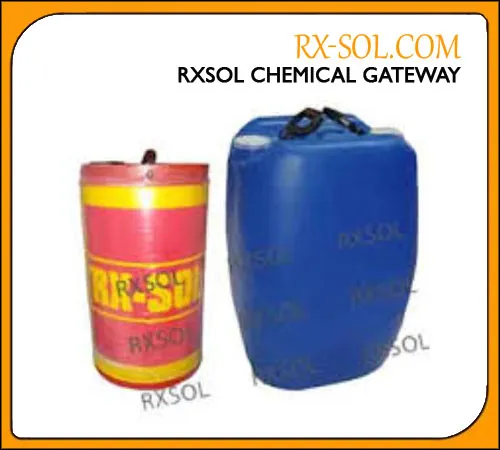
Overview
Sodium Meta Silicate is special blend of chemical with corrosion inhibitor is suitable for Aluminum passivation. Chemical concept behind passivation is to provide light coat of a protective material, such as metal oxide, to create a shell against corrosion.
Applications
Pure aluminium naturally forms a tough resistant oxide, almost immediately that protects it from further oxidation in most environments. Aluminium alloys, however, offer little protection against corrosion. There are three main ways to passivate these alloys: alclading, chromate conversion coating and anodizing. Alclading is the process of metallurgically bonding a thin layer of pure aluminium to the aluminium alloy. Chromate conversion coating is a common way of passivating not only aluminium, but also zinc, cadmium, copper, silver, magnesium, and tin alloys. Anodizing forms a thick oxide coating. This finish is more robust than the other processes and also provides good electrical insulation, which the other two processes do not.
IN general practice prior to storing hydrogen peroxide in an aluminium container, the container can be passivated by rinsing it with a dilute solution of nitric acid and peroxide alternating with deionized water. The nitric acid and peroxide oxidizes and dissolves any impurities on the inner surface of the container, and the deionized water rinses away the acid and oxidized impurities.
Safety and SDS
Read the safety data sheet before handling. Wear suitable gloves and eye protection.
View safety data sheet
| Product Name | RXSOL-19-1521-050 |
| Product Type | Alkaline Passivator |
Company Details:
RX MARINE INTERNATIONAL
105, A wing , BSEL , TECH PARK.
VASHI ,NEW BOMBAY 400703 INDIA
| Phone | +91 22 65113333 / 5555 / 9999 |
| Fax | +91 22 2781 1318 :::AOH :0091 9821214367 |
| rxsolchemicals@gmail.com |
| SARA 313 Component | CAS Number | Percent Comp. |
Dimension |
Exposure Limits |
| Sodium Meta Silicate | 6834-92-0 | 80% | W/W |
TXDS: orl-mus LD•7250 mg/Kg |
| Proprietory Blend of Corossion Inhibitor | ------- | 20 | W/W | ------- |
Harmful if swallowed. May cause irritation. Avoid breathing vapors, or dusts. Use with adequate ventilation. Avoid contact with eyes, skin, and clothes. Wash thoroughly after handling. Keep container closed.
Emergency Overview:Caution! May Cause Irritation To Skin, Eyes, And Respiratory Tract. May Be Harmful If Swallowed Or Inhaled.
Inhalation:May cause irritation to the respiratory tract. Symptoms may include coughing and shortness of breath.
Ingestion:Phosphates are slowly and incompletely absorbed when ingested, and seldom result in systemic effects. Such effects, however, have occurred. Symptoms may include vomiting, lethargy, diarrhea, blood chemistry effects, heart disturbances and central nervous system effects. The toxicity of phosphates is because of their ability to sequester calcium. Systemic acidosis may result as this material is believed to hydrolyze into phosphoric acid when ingested.
Skin:May cause irritation with redness and pain.
Eye Contact:May cause irritation, redness and pain.
Chronic Exposure:May sequester calcium and cause calcium phosphate deposits in the kidneys. Chronic ingestion or inhalation may induce systemic phosphorous poisoning. Liver damage, kidney damage, jaw/tooth abnormalities, blood disorders and cardiovascular effects can result.
Aggravated by Exposure:Persons with pre-existing skin disorders or eye problems, jaw/tooth abnormalities, or impaired liver, kidney or respiratory function may be more susceptible to the effects of the substance
Harmful if swallowed. May cause irritation. Avoid breathing vapors, or dusts. Use with adequate ventilation. Avoid contact with eyes, skin, and clothes. Wash thoroughly after handling. Keep container closed.
|
SKIN: |
Wash exposed area with soap and water. If irritation persists, seek medical attention. |
| EYES: | Wash eyes with plenty of water for at least 15 minutes, lifting lids occasionally.Seek Medical Aid. |
| INHALATION: |
Remove to fresh air. If not breathing, give artificial respiration. If breathing is difficult, give oxygen |
| INGESTION: | If swallowed, induce vomiting immediately after giving two glasses of water. Never give anything by mouth to an unconscious person. |
|
Fire Extinguisher Type: |
Any means suitable for extinguishing |
| Fire / Explosion Hazards: |
Negligible fire hazard when exposed to heat or flame |
| Fire Fighting Procedure: |
Wear self-contained breathing apparatus and protective clothing to prevent contact with skin and clothing. |
Sweep up and place in suitable (fiberboard) containers for reclamation or later disposal.Ventilate area of leak or spill. Wear appropriate personal protective equipment as specified in Section 8. Spills: Sweep up and containerize for reclamation or disposal. Vacuuming or wet sweeping may be used to avoid dust dispersal. Small amounts of residue may be flushed to sewer with plenty of water.
Store in a cool, dry, well-ventilated place away from incompatible materials. Wash thoroughly after handling.
|
Respiratory Protection |
Dust or mist respirator |
| Ventilation | Local |
| OTHER | Mechanical |
| Protective Gloves | Wear appropriate gloves to prevent skin exposure |
| EYE PROTECTION | Goggles and Face Shield |
| Other Protective Equipment |
Wear appropriate clothing to prevent skin exposure |
| BOILING POINT | Information not available |
| VAPOR PRESSURE | Information not available |
| MELTING POINT | 1184 F (640C) |
| VAPOR DENSITY | Information not available |
| EVAPORATION RATE | N/A |
| Appearance /Odors |
Odorless white powder or granules |
| Flash Point | not |
| Specific Gravity | 2.4 |
| Percent Volatile by |
0 |
| Evaporation Standard | |
| Auto Ignition Temp |
Not applicable |
| Lower Flamm. Limit in Air |
Not applicable |
| Upper Flamm. Limit in Air |
Not applicable |
| Solubility in Water | Soluble |
|
STABILITY |
Stable |
|
CONDITIONS TO AVOID |
moisture / air |
|
MATERIALS TO AVOID |
none specified |
|
HAZARDOUS DECOMPOSITION PRODUCTS |
Silictes of Sodium |
|
HAZARDOUS POLYMERIZATION |
Not known to occur |
| Conditions to Avoid | None known |
Carcinogenic References:
IARC Category – None, NTP Carcinogen - Known: No
Oral rat LD50: 3053 mg/kg
--------\Cancer Lists\------------
---NTP Carcinogen---
Ingredient Known Anticipated IARC Category
------------------------------------ ----- ----------- -------------
Sodium Meta Silicate, Sodium Salts No No None
(68915-31-1)
Environmental Fate: no information found
Environmental Toxicity: no information found
Whatever cannot be saved for recovery or recycling should be managed in an appropriate and approved waste disposal facility. Processing, use or contamination of this product may change the waste management options. State and local disposal regulations may differ from federal disposal regulations. Dispose of container and unused contents in accordance with federal, state and local requirements.
DOT Classification: Not Regulated
DOT Regulations may change from time to time. Please consult the most recent D.O.T. regulations.
Chemical Inventory Status –
Part 1:Ingrdient
Silicates, Sodium Salts(68915-31-1)
TSCA Yes
EC Yes
Japan YES
Australia Yes
Chemical Inventory Status –
Part 2:Ingredient
Potassium Sulfate (7778-80-5)
Page 3 of 5 Calcon (2538-85-4)
Korea Yes
DSL Yes
NDSL No
Phil. Yes
Federal, State & International Regulations –
Part 1: Ingredient.
Silicate, Sodium Salts(68915-31-1)
RQ No
TPQ No
List NO
Chemical Catg: No
Federal, State &
International Regulations –
Part 2:Ingredient
Silicate, Sodium Salts(68915-31-1)
CERCLA NO
261.33 No
8(d) No
Chemical Weapons Convention: No
TSCA 12 (b):No
CDTA:No MIXTURE/SOLID
SARA 311/312: Acute: yes
Chronic: yes
Fire: No
Pressure: No
Reactivity: No
Australian Hazchem Code: None allocated
Poison Schedule: None allocated
WHMIS:This MSDS has been prepared according to the hazard criteria of the Controlled
Products
Regulations (CPR) and the MSDS contains all of the information required by the CPR.
Avoid ingestion & inhalation. Avoid contact with eyes and skin. May cause skin and eye irritation. May cause respiratory tract irritation. Persons with preexisting skin, eye or mucous membrane disorders may be more susceptible.
|
Revisions |
NFPA |
| 7/30/2010 | 0.1 updated msds to 16 section from 10 section msds. STN |
| 0 |
The information herein is believed to be accurate and is offered in good faith for the user's consideration and investigation. No warranty either expressed or implied is made for the completeness or accuracy of the information whether originating from the above mentioned company or not. Users of this material should satisfy themselves by independent investigation of current scientific and medical knowledge that the material
DISCLAIMER OF LIABILITY :The information in this SDS was obtained from sources which we believe are reliable. However, the information is provided without any warranty, express or implied, regarding its correctness. The conditions or methods of handling, storage, use or disposal of the product are beyond our control and may be beyond our knowledge. For this and other reasons, we do not assume responsibility and expressly disclaim liability for loss, damage or expense arising out of or in any way connected with the handling, storage, use or disposal of the product. This MSDS was prepared and is to be used only for this product. If the product is used as a component in another product, this MSDS information may not be applicable
Availability
Alkaline Passivator manufacturer supplier distributor in Mumbai, Kandla, Kolkata, Vizag, Chennai, India, Fujairah, Dubai UAE, Muscat Oman, Kenya Africa. Get the best quality of Alkaline Passivator at a competitive price from us. We have ready stock of Alkaline Passivator in India, UAE Gulf, Oman, Kenya Africa. Contact us for bulk as well as small orders.