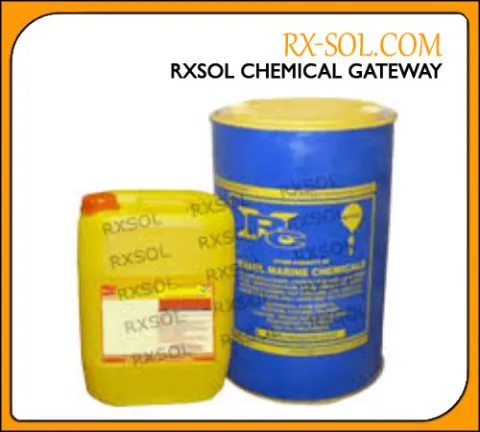
Phosphoric Acid 85 Percent
- Part number
- RXSOL-19-1105-180
- Category
- Food Additive
- Brand
- RXSOL
Overview
Phosphoric Acid supplier and Exporter in customized packing.
Phosphoric acid is classified as weak acid as Phosphoric acid undergoes partial dissociation in water solution as it does not fully dissociate into H+ (H3O+) and the dihydrogen phosphate ion when dissolved in water and producing a low concentration of hydrogen ions . So, Phosphoric acid is a weak acid .
Phosphoric acid chemical formula is H ₃PO ₄. Orthophosphoric acid refers to phosphoric acid.
Phosphoric Acid Supplier in India, Dubai Middle East, Muscat Oman, Kenya Nairobi Africa, Canada
Technical specifications
Properties
| - Molecular formula | H3PO4 |
|---|---|
| - Molar mass | 98.00 g/mol |
| - Appearance | white solid or colourless, viscous liquid (>42 °C) |
| - Density | 1.885 g/mL (liquid)1.685 g/mL (85 % solution)2.030 g/mL (crystal at 25 °C) |
| - Acidity (pKa) | 148, 7.198, 12.375 |
Applications
FIELDS :
Used as a Pre-Metal Treatment Chemicals
Sugar Refining
Anodising
Very Good Stabilising Agent for Hydrogen Peroxide
Waste Water Treatment Chemicals
Activated Carbon
Soaps and Detergents
Tea-leaf Processing
Dosage and directions
Phosphoric Acid also used as clarifying agent or acidulants for good and drink, yeast nutrients, also use in food grade phosphate production.
Characteristics and notes
International quality 86% pure Chemical. Purity Assay 99.99% trace metals basis
Specification:
•H3P04 Concentration % : 86.00
•P205 % : 62.30
•Iron as Fe ppm : 10.00 max.
•Sulphate as SO4 ppm : 250.00 max.
•Chloride as Cl ppm : 10.00 max.
•Flouride as F ppm: 60.00 max.
•Ca as Mg ppm : 10.00 max.
•Heavy Metals as Pb(Lead) ppm: 10.00 max.
•Arsenic as As ppm : 1.00 max.
•Colour : Water white
Safety and SDS
Read the safety data sheet before handling. Wear suitable gloves and eye protection.
View safety data sheet
| Product Name | Phosphoric Acid 85 Percent Food Grade |
| Part Number | RXSOL-19-1105-180 |
Company Details:
RX MARINE INTERNATIONAL
105, A wing , BSEL , TECH PARK.
VASHI ,NEW BOMBAY 400703 INDIA
Branch : Kandla, Mumbai , Chennai, Vizag, Kolkata, UAE , OMAN , CANADA and KENYA
| Phone | +91 22 20871200 - 1400 |
| Fax | +91 22 27612100 :::AOH :0091 9821214367 |
| rxsolchemicals@gmail.com | |
| Website | www.rxmraine.com |
Mixtures
| Ingredient name | % (w/w) | CAS number |
| Orthophosphoric acid | 85 | 7664-38-2 |
| Water | < 15 | 7732-18-5 |
| Classification of the substance or mixture |
CORROSIVE TO METALS - Category 1
SKIN CORROSION - Category 1B
SERIOUS EYE DAMAGE - Category 1
SPECIFIC TARGET ORGAN TOXICITY (SINGLE EXPOSURE) (Respiratory tract
irritation) - Category 3
|
| OSHA/HCS status | This material is considered hazardous by the OSHA Hazard Communication Standard (29 CFR 1910.1200). |
| GHS label elements | |
| Signal word | Danger |
| Hazard statements |
May be corrosive to metals.
Causes severe skin burns and eye damage.
May cause respiratory irritation.
|
| Precautionary statements | |
| General | Read label before use. Keep out of reach of children. If medical advice is needed, have product container or label at hand. |
| Prevention | Wear protective gloves. Wear eye or face protection. Wear protective clothing. Keep only in original packaging. Use only outdoors or in a well-ventilated area. Avoid breathing vapor. Wash hands thoroughly after handling. |
| Response |
Absorb spillage to prevent material damage.
IF INHALED: Remove person to fresh air and keep comfortable for breathing.
Immediately call a POISON CENTER or physician.
IF SWALLOWED: Immediately call a POISON CENTER or physician. Rinse mouth.
Do NOT induce vomiting.
IF ON SKIN (or hair): Take off immediately all contaminated clothing. Rinse skin with water. Wash contaminated clothing before reuse. Immediately call a POISON
CENTER or physician.
IF IN EYES: Rinse cautiously with water for several minutes. Remove contact lenses, if present and easy to do. Continue rinsing. Immediately call a POISON
CENTER or physician.
|
| Storage | Store locked up. Store in a corrosion resistant container with a resistant inner liner. |
| Disposal | Dispose of contents and container in accordance with all local, regional, national and international regulations. |
| Supplemental label elements | None known |
| Other hazards which do not result in classification | None known |
| Eye contact | Begin eye irrigation immediately. All eye exposures to acid require medical evaluation following decontamination. Immediately rinse eyes with large quantities of water or saline for a minimum of 20-30 minutes depending on severity of exposure. If possible, remove contact lenses being careful not to cause additional eye damage. If the initial water supply is insufficient, keep the affected area wet with a moist cloth and transfer the person to the nearest place where rinsing can be continued for the recommended length of time. Call an ambulance for transport to hospital. Continue eye irrigation during transport. For additional advice call the medical emergency number on this safety data sheet or your poison center or doctor. |
| Inhalation | If mists or vapors are present in unknown or excessive concentrations, rescuers must wear appropriate respiratory protection and a suit resistant to acids (Level B or C). REMOVE PERSON TO FRESH AIR. Watch closely for signs of wheezing and breathing difficulties. Maintain an open airway. If not breathing, begin CPR. Oxygen may be administered by trained personnel. Affected persons who have stopped breathing or are having difficulty breathing or are unconscious need immediate medical attention. Call an ambulance for transport to hospital. For additional advice call the medical emergency number on this SDS or your poison center or doctor. |
| Skin contact | CORROSIVE. Causes severe burns. Immediately begin rinsing the affected areas with water. Remove contaminated clothing and shoes. Affected areas should be rinsed for a minimum of 20 - 30 minutes or longer depending on severity of exposure. Luke-warm water is recommended for continued irrigation to prevent hypothermia. Conscious persons without breathing difficulties may benefit from prolonged irrigation in a fixed shower or bathing facility prior to hospital transport. Call an ambulance for transport to hospital. Continue skin irrigation during transport. For additional advice call the medical emergency number on this safety data sheet or your poison center or doctor. |
| Ingestion | CORROSIVE. May cause severe burns to the mouth, throat, and stomach. If the affected person requires cardiopulmonary resuscitation, avoid mouth to mouth contact. Do not induce vomiting. If vomiting occurs, attempt to keep head lower than the chest so that vomit does not enter the lungs. Wash face and mouth with water to remove visible material. If the exposed person is conscious and can swallow, give 1-2 sips of water. Do not give anything else by mouth. Loosen tight clothing such as collar, tie, belt or waistband to prevent any breathing restrictions. For signs of breathing difficulties, refer to the INHALATION section. Call an ambulance for transportation to hospital. For additional advice, call the medical emergency number on this safety data sheet or your poison center or doctor. |
Most important symptoms/effects, acute and delayed
| Potential acute health effects | |
| Eye contact | Corrosive to eyes on contact. Causes serious eye damage. |
| Inhalation | Irritating to the respiratory system. May cause breathing difficulties. |
| Skin contact | Corrosive to the skin. Causes severe burns. |
| Ingestion | Corrosive to the digestive tract. May cause burns to the mouth, throat and stomach. |
Over-exposure signs/symptoms
| Eye contact |
Adverse symptoms may include the following:
Pain
Watering
Redness
|
| Inhalation |
Adverse symptoms may include the following:
Exposure to airborne concentrations above statutory or recommended exposure limits may cause irritation of the nose, throat and lungs.
Coughing
Wheezing and breathing difficulties
|
| Skin contact |
Adverse symptoms may include the following:
Pain or irritation
Redness
Blistering may occur
|
| Ingestion |
Adverse symptoms may include the following:
Throat and stomach pain
Difficulty swallowing
Nausea or vomiting
|
Indication of immediate medical attention and special treatment needed, if necessary
| Notes to physician | Phosphoric acid is an acid which may cause coagulative necrosis. Treatment is symptomatic and supportive. The extent of injury depends on duration of exposure and concentration of liquid. Do not attempt to use chemicals to neutralize the exposure. 24 Hr Medical Emergency telephone number for professional support: English: 1-303-389-1653; French or Spanish: 1-303-389-1654. |
| Specific treatments | Outcomes can be improved by minimizing time to decontamination and extending decontamination times to reduce tissue damage. Expert opinion indicates extended decontamination is required to remove corrosive chemicals. Skin and eye decontamination should be performed for a minimum of 20 - 30 minutes. Extended decontamination times may be required depending on the exposure. To avoid hypothermia, irrigation water should be maintained at a comfortable temperature. If the patient is not in extremis, it may be necessary to delay transport to emergency care facilities to ensure adequate decontamination time. However, early patient transport may be necessary depending on patient’s condition or the availability of water. If possible, continue skin and/or eye irrigation during emergency medical transport. Double-bag contaminated clothing and personal belongings of the patient. |
| Protection of first-aiders | No action shall be taken involving any personal risk or without suitable training. Depending on the situation, the rescuer should wear an appropriate mask, gloves, protective clothing and a respirator or self-contained breathing apparatus. Mouth-tomouth resuscitation of oral exposure patients is not recommended. First-aiders with contaminated clothing should be properly decontaminated. |
| Suitable extinguishing media | Non-flammable. Material will not burn. Use an extinguishing agent suitable for the surrounding fire. |
| Unsuitable extinguishing media | None known |
| Specific hazards arising from the chemical | In a fire or if heated, a pressure increase will occur and the container may burst, with the risk of a subsequent explosion. Reacts violently with water. Will react with water or steam to produce heat and corrosive fumes. Attacks many metals producing extremely flammable hydrogen gas which can form explosive mixtures with air. Flammable concentrations of vapor may accumulate in the headspace of containers |
| Hazardous thermal decomposition products | Decomposition products may include the following materials: acidic corrosive material |
| Special protective actions for fire-fighters | Promptly isolate the scene by removing all persons from the vicinity of the incident if there is a fire. No action shall be taken involving any personal risk or without suitable training. |
| Special protective equipment for fire-fighters | Fire-fighters should wear appropriate protective equipment and self-contained breathing apparatus (SCBA) with a full face-piece operated in positive pressure mode. |
| Remark | Contain and collect the water used to fight the fire for later treatment and disposal. |
Personal precautions, protective equipment and emergency procedures
| For non-emergency personnel |
No action shall be taken involving any personal risk or without suitable training. Keep unnecessary and unprotected personnel from entering. Do not touch or walk through spilled material. Do not breathe vapor or mist. Provide adequate ventilation. Wear appropriate respirator when ventilation is inadequate. Put on appropriate personal protective equipment.
|
| For emergency responders | Put on appropriate personal protective equipment (see Section 8). If specialized clothing is required to deal with the spillage, take note of any information in Section 8 on suitable and unsuitable materials. See also the information in "For nonemergency personnel". Refer to Emergency Response Guidebook, Guide 154 for further information regarding spill control and Isolation/Protective Action Distances Guidelines. |
| Environmental precautions | Avoid dispersal of spilled material and runoff and contact with soil, waterways, drains and sewers. Inform the relevant authorities if the product has caused adverse impacts (sewers, waterways, soil or air). |
Methods and materials for containment and cleaning up
| Small spill |
Put on appropriate personal protective equipment (see Section 8). Stop leak if without risk. Move containers from spill area. Neutralize acids by applying basic substances (soda ash or lime) or use an acid spill kit. Absorb with an inert material and place in an appropriate waste disposal container. Dispose of via a licensed waste disposal contractor.
|
| Large spill | Put on appropriate personal protective equipment (see Section 8). Approach release from upwind. Stop leak if without risk. Prevent entry into sewers, water courses, basements or confined areas. Move containers from spill area. Contain and collect spillage with non-combustible, absorbent material e.g. sand, earth, vermiculite or diatomaceous earth and place in container for disposal according to local regulations (see Section 13). Contaminated absorbent material may pose the same hazard as the spilled product. The spilled material may be neutralized with calcium carbonate, crushed limestone, or sodium carbonate. Dispose of via a licensed waste disposal contractor. Note: see Section 1 for emergency contact information and Section 13 for waste disposal. |
Precautions for safe handling
| Protective measures | Put on appropriate personal protective equipment (see Section 8). Do not handle until all safety precautions have been read and understood. Do not get in eyes or on skin or clothing. Do not breathe vapor or mist. Do not ingest. Handle the material in a fume hood/cupboard or under local exhaust ventilation. If during normal use the material presents a respiratory hazard, use only with adequate ventilation or wear appropriate respirator. Keep in the original container or an approved alternative made from a compatible material, kept tightly closed when not in use. Keep away from alkalis. Empty containers retain product residue and can be hazardous. Do not reuse container. Refer to NFPA 400 Hazardous Materials Code for further information on the safe storage and handling of hazardous materials. |
| Advice on general occupational hygiene | Eating, drinking and smoking should be prohibited in areas where this material is handled, stored and processed. Workers should wash hands and face before eating, drinking and smoking. Remove contaminated clothing and protective equipment before entering eating areas. See also Section 8 for additional information on hygiene measures. |
| Conditions for safe storage, including any incompatibilities |
Store in accordance with local regulations. Store in a corrosion resistant container with a resistant inner liner. Store locked up. Separate from alkalis. Attacks many metals producing extremely flammable hydrogen gas which can form explosive mixtures with air. Flammable concentrations of vapor may accumulate in the headspace of containers. Containers that have been opened must be carefully resealed and kept upright to prevent leakage. Do not store in unlabeled containers. Use appropriate containment to avoid environmental contamination. Refer to NFPA 400 Hazardous Materials Code for further information on the safe storage and handling of hazardous materials.
|
| Appropriate engineering controls | If user operations generate dust, fumes, gas, vapor or mist, use process enclosures, local exhaust ventilation or other engineering controls to keep worker exposure to airborne contaminants below any recommended or statutory limits. |
| Environmental exposure controls |
Emissions from ventilation or work process equipment should be checked to ensure they comply with the requirements of environmental protection legislation. In some cases, fume scrubbers, filters or engineering modifications to the process equipment will be necessary to reduce emissions to acceptable levels.
|
| Individual protection measures | |
| Hygiene measures | Wash hands, forearms and face thoroughly after handling chemical products, before eating, smoking and using the lavatory and at the end of the working period. Appropriate techniques should be used to remove potentially contaminated clothing. Wash contaminated clothing before reusing. Ensure that eyewash stations and safety showers are close to the workstation location. |
| Eye/face protection | If contact is possible, the following protection should be worn, unless the assessment indicates a higher degree of protection: chemical splash goggles and/ or face shield. If inhalation hazards exist, a full-face respirator may be required instead. |
| Skin protection | |
| Hand protection |
Chemical-resistant, impervious gloves complying with an approved standard should be worn at all times when handling chemical products if a risk assessment indicates this is necessary. Considering the parameters specified by the glove manufacturer, check during use that the gloves are still retaining their protective properties. It should be noted that the time to breakthrough for any glove material may be different for different glove manufacturers. Recommended:
Butyl rubber
Neoprene rubber
Nitrile rubber
PVC
Contact your personal protective equipment manufacturer to verify the compatibility of the equipment for the intended purpose.
|
| Body protection |
Personal protective equipment for the body should be selected based on the task being performed and the risks involved and should be approved by a specialist before handling this product. Recommended:
chemical-resistant protective suit
Contact your personal protective equipment manufacturer to verify the compatibility of the equipment for the intended purpose.
|
| Other skin protection | Appropriate footwear and any additional skin protection measures should be selected based on the task being performed and the risks involved and should be approved by a specialist before handling this product. Recommended: Impervious rubber safety boots. Contact your personal protective equipment manufacturer to verify the compatibility of the equipment for the intended purpose. |
| Respiratory protection | Based on the hazard and potential for exposure, select a respirator that meets the appropriate standard or certification. Respirators must be used according to a respiratory protection program to ensure proper fitting, training, and other important aspects of use. Contact your personal protective equipment manufacturer to verify the compatibility of the equipment for the intended purpose. |
Appearance
| Physical state | Liquid. [Clear viscous liquid.] |
| Color | Colorless |
| Odor | Odorless |
| Odor threshold | Not available |
| pH | 1 to 1.5 |
| Melting point | 21.1°C (70°F) |
| Boiling point | 158°C (316.4°F) |
| Flash point | [Product does not sustain combustion.] |
| Evaporation rate | Not available |
| Flammability (solid, gas) | Non-flammable substance. Attacks many metals producing extremely flammable hydrogen gas which can form explosive mixtures with air. Flammable hydrogen gas may be produced on prolonged contact with metals such as aluminum, tin, lead and zinc. Flammable concentrations of vapor may accumulate in the headspace of containers. |
| Lower and upper explosive (flammable) limits | Not available |
| Vapor pressure |
0.13 kPa (1 mm Hg) [room temperature]
0.27 kPa (2 mm Hg) [50°C]
|
| Vapor density | 3.4 [Air = 1] |
| Relative density | 1.7 |
| Solubility | Easily soluble in the following materials: cold water and hot water. |
| Solubility in water | Soluble |
| Partition coefficient: noctanol/water | Not available |
| Auto-ignition temperature | Not applicable |
| Decomposition temperature | Not available |
| Viscosity | Variable, depending on temperature. |
| Reactivity |
Reactive or incompatible with the following materials:
Reacts violently with bases.
May be corrosive to metals.
Attacks many metals producing extremely flammable hydrogen gas which can form explosive mixtures with air.
This product should be stored away from oxidizing materials and strong bases.
|
| Chemical stability | The product is stable. |
| Possibility of hazardous reactions | May be corrosive to metals. Contact your sales representative or a metallurgical specialist to ensure compatability with your equipment. |
| Conditions to avoid | No specific data. This product should be stored away from oxidizing materials and strong bases. Refer to NFPA 400 Hazardous Materials Code for further information on the safe storage and handling of hazardous materials. |
| Incompatible materials |
Attacks many metals producing extremely flammable hydrogen gas which can form explosive mixtures with air.
Reactive or incompatible with the following materials:
Alkalis
Metals
|
| Hazardous decomposition products | Under normal conditions of storage and use, hazardous decomposition products should not be produced. |
Information on toxicological effects
Acute toxicity
| Product/ingredient name |
Result
|
Species | Dose | Exposure |
| Phosphoric acid | LD50 Oral | Rat | 1250 mg/kg | - |
| Water | LD50 Oral | Rat | >90 g/kg | - |
| Conclusion/Summary |
Not considered to be acutely toxic. Corrosive material.
|
| Irritation/Corrosion | Not available |
| Conclusion/Summary | |
| Skin | Corrosive to the skin. |
| Eyes | Corrosive to eyes. |
| Respiratory | May cause respiratory irritation. |
| Sensitization | Not available |
| Conclusion/Summary | |
| Skin | No known significant effects or critical hazards. |
| Respiratory | No known significant effects or critical hazards. |
| Mutagenicity | Not available |
| Conclusion/Summary | No known significant effects or critical hazards. |
| Carcinogenicity | Not available |
| Conclusion/Summary | No known significant effects or critical hazards. |
| Reproductive toxicity | Not available |
| Conclusion/Summary | No known significant effects or critical hazards. |
| Teratogenicity | Not available |
| Conclusion/Summary | No known significant effects or critical hazards. |
| Specific target organ toxicity (repeated exposure) | Not available |
| Aspiration hazard | Not available |
| Information on the likely routes of exposure |
Inhalation
Skin contact
Eye contact
|
| Eye contact |
Corrosive to eyes on contact. Causes serious eye damage.
|
| Inhalation | Irritating to the respiratory system. May cause breathing difficulties. |
| Skin contact | Corrosive to the skin. Causes severe burns. |
| Ingestion | Corrosive to the digestive tract. May cause burns to the mouth, throat and stomach. |
| Eye contact |
Adverse symptoms may include the following:
Pain
Watering
Redness
|
| Inhalation |
Adverse symptoms may include the following:
Exposure to airborne concentrations above statutory or recommended exposure limits may cause irritation of the nose, throat and lungs.
Coughing
Wheezing and breathing difficulties
|
| Skin contact |
Adverse symptoms may include the following:
Pain or irritation
Redness
Blistering may occur
|
| Ingestion |
Adverse symptoms may include the following:
Throat and stomach pain
Difficulty swallowing
Nausea or vomiting
|
| Short term exposure | |
| Potential immediate effects |
See above
|
| Potential delayed effects | See above. |
| Long term exposure | |
| Potential immediate effects | See above |
| Potential delayed effects | See above |
| Potential chronic health effects | |
| Conclusion/Summary | Adverse effects are typically the result of acute overexposure. These effects may be long term or permanent in nature. |
| General | No known significant effects or critical hazards. |
| Carcinogenicity | No known significant effects or critical hazards. |
| Mutagenicity | No known significant effects or critical hazards. |
| Teratogenicity | No known significant effects or critical hazards. |
| Developmental effects | No known significant effects or critical hazards. |
| Fertility effects | No known significant effects or critical hazards. |
| Toxicity | |
| Conclusion/Summary | May be harmful to the environment if released in large quantities. Harmful to aquatic life. Excessive nutrient run off to a body of water may result in eutrophication. |
| Persistence and degradability | |
| Conclusion/Summary | Not persistent. Readily biodegradable |
| Mobility in soil | |
| Soil/water partition coefficient (KOC) | Not available |
| Other adverse effects | No known significant effects or critical hazards. |
| Disposal methods | The generation of waste should be avoided or minimized wherever possible. Disposal of this product, solutions and any by-products should at all times comply with the requirements of environmental protection and waste disposal legislation and any regional local authority requirements. Waste should not be disposed of untreated to the sewer unless fully compliant with the requirements of all authorities with jurisdiction. This material and its container must be disposed of in a safe way. Dispose of surplus and non-recyclable products via a licensed waste disposal contractor. Care should be taken when handling emptied containers that have not been cleaned or rinsed out. Empty containers or liners may retain some product residues. Avoid dispersal of spilled material and runoff and contact with soil, waterways, drains and sewers. |
| TDG Classification | DOT Classification | Mexico Classification | IMDG | IATA | |
| UN number | 1805 | 1805 | 1805 | UN1805 | UN1805 |
| UN proper shipping name | Phosphoric acid, liquid | Phosphoric acid solution | Phosphoric acid solution | Phosphoric acid | Phosphoric acid |
| Transport hazard class(es) | 8 | 8 | 8 | 8 | 8 |
| Packaging group | III | III | III | III | III |
| Environmental hazards | No | No | No | No | No |
| Additional information |
Explosive Limit
and Limited
Quantity Index
5
Passenger
Carrying Road or
Rail Index
5
|
Reportable
quantity
5000 lbs / 2270
kg [299.84 gal /
1135 L]
Packages of less
than the
reportable
quantity are not
subject to
Hazmat
transportation
requirements.
Packaging
instruction
Passenger
aircraft
Quantity limitation:
1 L
Cargo aircraft
Quantity limitation:
30 L
Special
provisions
A7,IB3,IP3,N34,
T4,TP1
|
Special
provisions
223, P001,
IBC03, LP01
|
- |
Cargo Aircraft
Only Quantity
limitation: 60 L
Limited
Quantities -
Passenger
Aircraft Quantity
limitation: 5 L
|
| Special precautions for user | Transport within user’s premises: always transport in closed containers that are upright and secure. Ensure that persons transporting the product know what to do in the event of an accident or spillage. |
|
Transport in bulk according
to Annex II of MARPOL and
the IBC Code
|
Not available |
| Canadian lists | |
| Canadian NPRI | The following components are listed: Phosphorus (total) |
| CEPA Toxic substances | None of the components are listed |
| Canada inventory | All components are listed or exempted. |
| International regulations | |
| Chemical Weapon Convention List Schedules I, II & III Chemicals | Not listed. |
| Montreal Protocol | Not listed. |
| Stockholm Convention on Persistent Organic Pollutants | Not listed. |
| Rotterdam Convention on Prior Informed Consent (PIC) | Not listed. |
| UNECE Aarhus Protocol on POPs and Heavy Metals | Not listed. |
| Inventory list | |
| Australia | All components are listed or exempted. |
| China | All components are listed or exempted. |
| Europe | All components are listed or exempted. |
| Japan | All components are listed or exempted. |
| Malaysia | All components are listed or exempted. |
| New Zealand | All components are listed or exempted. |
| Philippines | All components are listed or exempted. |
| Republic of Korea | All components are listed or exempted. |
| Taiwan | All components are listed or exempted. |
| Turkey | Not determined |
| U.S. Federal Regulations |
TSCA 8(a) CDR Exempt/Partial exemption: Not determined
TSCA 8(b) Active inventory: All components are listed or exempted.
Clean Water Act (CWA) 311: Phosphoric acid
|
|
Clean Air Act Section 112
(b) Hazardous Air
Pollutants (HAPs)
|
Not listed |
| Clean Air Act Section 602 Class I Substances | Not listed |
|
Clean Air Act Section 602
Class II Substances
|
Not listed |
| DEA List I Chemicals (Precursor Chemicals) | Listed |
| SARA 302/304 Composition/information on ingredients | |
| SARA 304 RQ | Not applicable |
| SARA 311/312 Classification | Immediate (acute) health hazard |
| State regulations | |
| Massachusetts | The following components are listed: Phosphoric acid |
| New York | The following components are listed: Phosphoric acid |
| New Jersey | The following components are listed: Phosphoric acid |
| Pennsylvania | The following components are listed: Phosphoric acid |
| California Prop. 65 | This product, as manufactured, does NOT contain any substance in concentrations known to the state of California to cause cancer, birth defects or other reproductive harm. Nutrien cannot guarantee the downstream compliance of any product once out of Nutrien custody. |
| Other Information |
The information above is believed to be accurate and represents the best information currently available to us. However, we make no warranty of merchantability or any other warranty, express or implied, with respect to such information, and weassume no liability resulting from its use. Users should make their own investigations to determine the suitability of the information for their particular purposes. In no event shall be liable for any claims, losses, or damages of any third party or for lost profits or any special, indirect, incidental, consequential or exemplary damages, howsoever arising, even if Rx Marine International has been advised of the possibility of such damages. DISCLAIMER OF LIABILITY :The information in this SDS was obtained from sources which we believe are reliable. However, the information is provided without any warranty, express or implied, regarding its correctness. The conditions or methods of handling, storage, use or disposal of the product are beyond our control and may be beyond our knowledge. For this and other reasons, we do not assume responsibility and expressly disclaim liability for loss, damage or expense arising out of or in any way connected with the handling, storage, use or disposal of the product. This MSDS was prepared and is to be used only for this product. If the product is used as a component in another product, this MSDS information may not be applicable. |
Availability
Phosphoric Acid Manufacturer and supplier in Mumbai, Gandhidham, Chennai, Visakhapatnam, Kolkata, Fujairah, Dubai, Sharjah, Abu Dhabi, UAE Middle East, Muscat Barka Oman