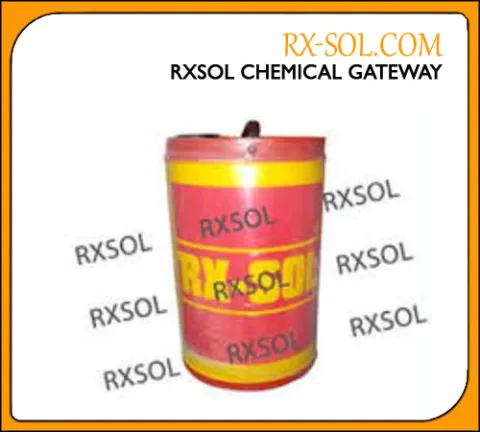
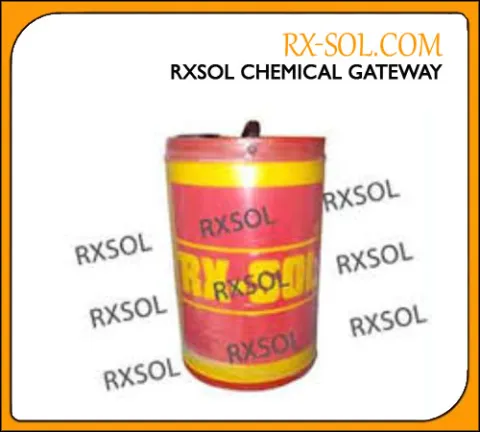
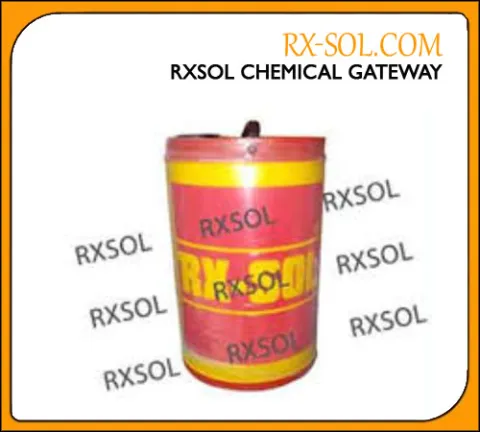
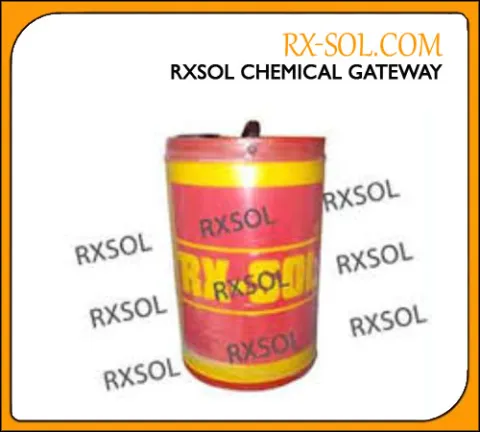
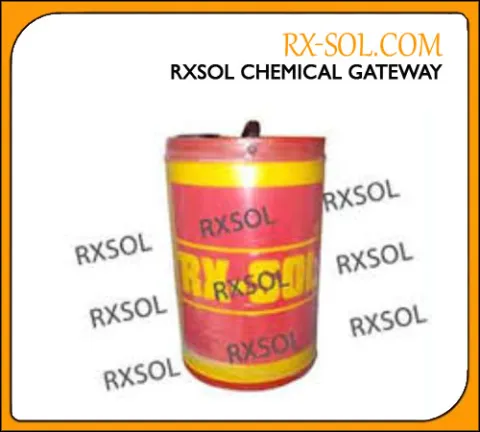
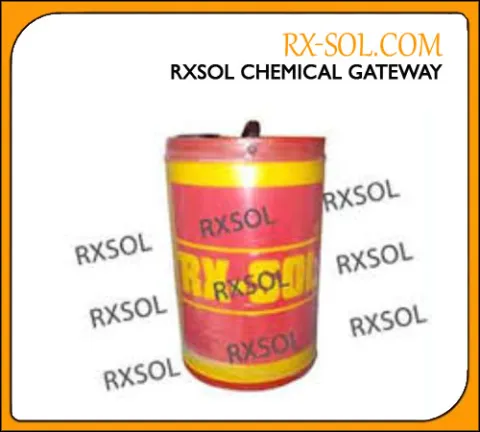
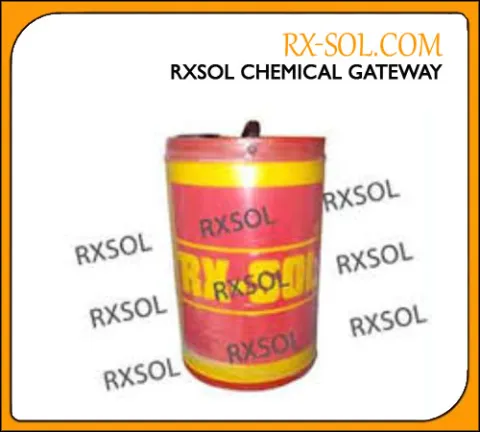
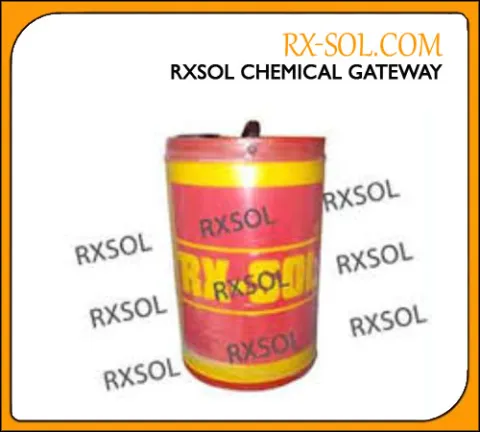
Gum Remover Mistysol
- Part number
- RXSOL-41-8780-025
- Category
- Automobiles
- Brand
- RXSOL
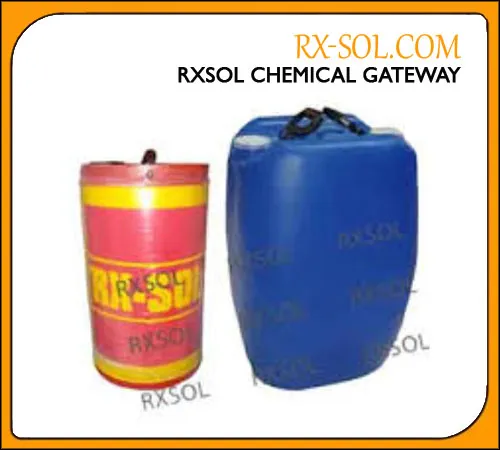
Overview
Gum Remover very effective to remove chewing gum and candle wax from tables, chairs, floors and other nonporous surfaces. Refrigerant freezes mess of LABEL ( After peeling off the Label ) Also very usefull for removal of vinyl graphics from boats, signs, trucks, and glass, Cleans and removes adhesive caulking and bedding compounds, Cleans glue residues, resin, and hardener.
Applications
Cleaning time will vary depending on the extract nature and thickness of deposit to be removal. Stubborn deposits should be scrubbed to assist the cleaning operation. Your local Rx CLEANSERSrepresentative will work with you to design the optimum concentrati-on & procedure for your system.
Dosage and directions
Best Way to clean Gum before peeling off the label, use a hair dryer to soften the adhesive, wait for the piece to cool and try removing it with some RXSOL-41-8780-025 on a soft paper towel or cotton ball. Any residue remaining after using RXSOL-41-8780-025 can be wipe with RXSOL-41-8780-025 repeatedly.
Also Manually apply “RXSOL-41-8780-025”neat by brush or hand spray. Allow few seconds contact time to penetrate the soiled / covered area, then sticker will come up by smooth way.
Safety and SDS
Read the safety data sheet before handling. Wear suitable gloves and eye protection.
View safety data sheet
| Product Name |
Misty Gum Remover II |
| Product Type | RXSOL-41-8780-025 |
Company Details:
RX MARINE INTERNATIONAL
105, A wing , BSEL , TECH PARK.
VASHI ,NEW BOMBAY 400703 INDIA
| Phone | +91 22 65113333/ 5555 / 9999 / 27611360 / 27815540 |
| Fax | +91 22 2781 1318 :::AOH :0091 9322594669 |
| rxsolchemicals@gmail.com |
Ingredient CAS # Wt. %
Isobutane 75-28-5 60 - 100
Propane 74-98-6 10 - 30
EMERGENCY OVERVIEW HMIS: See Section 15
DANGER
EXTREMELY FLAMMABLE. HARMFUL BY INHALATION.
MAY CAUSE EYE IRRITATION. MAY CAUSE SKIN IRRITATION.
CONTENTS UNDER PRESSURE. CONTAINER MAY EXPLODE IF HEATED.
Potential Health Effects: See Section 11 for more information.
Likely Routes of Exposure: Skin contact, eye contact, inhalation, and ingestion.
Eye: May cause eye irritation.
Skin: May cause skin irritation.
Ingestion: Not a normal route of exposure. Harmful: may cause lung damage if swallowed.
Inhalation: Harmful by inhalation. May cause respiratory tract irritation. May cause asphyxiation. This product may be aspirated into the lungs and cause chemical pneumonitis.
Chronic Effects: Prolonged or repeated contact may dry skin and cause irritation.
Signs and Symptoms: Symptoms may include discomfort or pain, excess blinking and tear production, with marked redness and swelling of the conjunctiva. Handling can cause dry skin.
Medical Conditions Aggravated By Exposure: Asthma. Allergies.
Target Organs: Skin, eyes, gastrointestinal tract, respiratory system.
Potential Environmental Effects: May cause long-term adverse effects in the aquatic environment. See Section 12 for more information.
Eye Contact: In case of contact, immediately flush eyes with plenty of water. If easy to do, remove contact lenses, if worn.
Skin Contact: In case of contact, immediately flush skin with plenty of water. Remove contaminated clothing and shoes. Wash clothing before reuse. Call a physician if irritation develops and persists.
Inhalation: If inhaled, remove to fresh air. If not breathing, give artificial respiration. If breathing is difficult, give oxygen.
Ingestion: If swallowed, do NOT induce vomiting unless directed to do so by medical personnel. Never give anything by mouth to an unconscious person.
General Advice: In case of accident or if you feel unwell, seek medical advice immediately (show the label or MSDS where possible).
Note to Physicians: Symptoms may not appear immediately.
Flammability: Flammable by WHMIS/OSHA criteria.
Means of Extinction:
Suitable Extinguishing Media: Powder, foam, carbon dioxide.
Unsuitable Extinguishing Media: Water.
Products of Combustion: May include, and are not limited to: oxides of carbon.
Explosion Data:
Sensitivity to Mechanical Impact: Not available.
Sensitivity to Static Discharge: Not available.
Protection of Firefighters: Containers may explode when heated. Keep upwind of fire. Wear
full fire fighting turn-out gear (full Bunker gear) and respiratory protection (SCBA).ecommended in Section 8. Isolate the hazard area and deny entry to unnecessary and unprotected personnel. Eliminate sources of ignition. Ruptured cylinders may rocket.
Environmental Precautions: Many gases are heavier than air and will spread along ground and collect in low or confined areas (sewers, basements, tanks). This material is a water pollutant. Keep out of drains, sewers, ditches, and waterways. Minimize use of water to prevent environmental contamination.
Methods for Containment: Contain and/or absorb spill with inert material (e.g. sand, vermiculite), then place in a suitable container. Do not flush to sewer or allow to enter waterways. Use appropriate Personal Protective Equipment (PPE).
Methods for Clean-Up: Vacuum or sweep material and place in a disposal container. Allow gas to dissipate harmlessly into the atmosphere.
Other Information: Not available.
Handling: Keep away from sources of ignition. - No smoking. Avoid contact with skin and eyes. Do not swallow. Do not breathe gas/fumes/vapor/spray. Use only in well-ventilated areas. Handle and open container with care. When using, do not eat or drink. Wash hands before eating, drinking, or smoking.
Storage: Keep out of the reach of children. Keep container in a well-ventilated place. Do not store at temperatures above 49°C / 120°F. Keep away from food, drink and animal foodstuffs.
Exposure Guidelines
Exposure Limits
Ingredient OSHA-PEL ACGIH-TLV
Isobutane Not available. Not available.
Propane 1000 ppm 1000 ppm
Engineering Controls: Use ventilation adequate to keep exposures (airborne levels of dust,
fume, vapor, etc.) below recommended exposure limits.
Personal Protective Equipment: HMIS: See Section 15
Eye/Face Protection: Wear eye/face protection.
Hand Protection: Wear suitable gloves.
Skin and Body Protection: Wear suitable protective clothing.
Respiratory Protection: In case of insufficient ventilation, wear suitable respiratory
equipment.
General Hygiene Considerations: Handle according to established industrial hygiene and
safety practices.
|
Appearance: |
Clear. |
|
Color: |
Colorless. |
|
Odour: |
Characteristic. |
|
Odour Threshold: |
Not available. |
|
Physical State: . |
Gas/Pressurized Liquid |
|
pH: |
Not applicable. |
|
Viscosity: |
Not available. |
|
Freezing Point: |
Not available. |
|
Boiling Point: |
~ -43.7 °C (~ -46.6 °F) |
|
Flash Point: |
~ -104 °C (~ -156 °F) |
|
Evaporation Rate: |
> 1 (Water = 1) |
|
Lower Flammability Limit: . |
Not available |
|
Upper Flammability Limit: |
Not available |
|
Vapor Pressure: |
70-80 |
|
Vapor Density: |
> 1 (Air = 1) |
|
Specific Gravity: |
0.555 (Concentrate only) |
|
Solubility in Water: |
Negligible. |
|
Coefficient of Water/Oil . |
Distribution: Not available |
|
Auto-ignition Temperature: |
Not available. |
|
Percent Volatile, wt. %: |
Not available. |
|
VOC content, wt. %: |
100% (US federal/CARB/OTC/LADCO) |
Stability: Stable under normal storage conditions. Contents under pressure. Container may explode if heated. Do not puncture. Do not burn. Keep in a cool place.
Conditions of Reactivity: Heat. Incompatible materials.
Incompatible Materials: Oxidizers.
Hazardous Decomposition Products: May include, and are not limited to: oxides of carbon.
Possibility of Hazardous Reactions: No dangerous reaction known under conditions of normal use.
EFFECTS OF ACUTE EXPOSURE
Component Anaylsis
Ingredient LD50 (oral) LC50
Isobutane Not available. Not available.
Propane Not available. Not available.
Eye: May cause eye irritation. Symptoms may include discomfort or pain, excess
blinking and tear production, with marked redness and swelling of the
conjunctiva.
Skin: May cause skin irritation. Handling can cause dry skin.
Ingestion: Not a normal route of exposure. Harmful: may cause lung damage if swallowed.
Inhalation: Harmful by inhalation. May cause respiratory tract irritation. May cause
asphyxiation.This product may be aspirated into the lungs and cause chemical
pneumonitis.
EFFECTS OF CHRONIC EXPOSURE
Target Organs: Not available.
Chronic Effects: Not hazardous by WHMIS/OSHA criteria.
Carcinogenicity: Not hazardous by WHMIS/OSHA criteria.
Ingredient Chemical Listed as Carcinogen or
Potential Carcinogen *
Isobutane Not listed.
Propane Not listed.
* See Section 15 for more information.
Mutagenicity: Not hazardous by WHMIS/OSHA criteria.
Reproductive Effects: Not hazardous by WHMIS/OSHA criteria.
Developmental Effects:Teratogenicity: Not hazardous by WHMIS/OSHA criteria.
Embryotoxicity: Not hazardous by WHMIS/OSHA criteria.
Respiratory Sensitization: Not hazardous by WHMIS/OSHA criteria.
Skin Sensitization: Not hazardous by WHMIS/OSHA criteria.
Toxicologically Synergistic Materials: Not available.
Ecotoxicity: May cause long-term adverse effects in the aquatic environment
Persistence / Degradability: Not available.
Bioaccumulation / Accumulation: Not available.
Mobility in Environment: Not available.
Disposal Instructions: This material must be disposed of in accordance with all local, state, provincial, and federal regulations.
DOT Classification ORM-D
TDG Classification Limited Quantity
Federal Regulations
Canadian: This product has been classified in accordance with the hazard criteria of the
Controlled Products Regulations and the MSDS contains all the information required by the
Controlled Products Regulations.
US: MSDS prepared pursuant to the Hazard Communication Standard (29 CFR 1910.1200).
SARA Title III
Ingredient Section 302 Section 304 CERCLA Section
(EHS) TPQ EHS RQ (lbs.) RQ (lbs.) 313
(lbs.)
Isobutane Not listed. Not listed. Not listed. Not listed.
Propane Not listed. Not listed. Not listed. Not listed.
State Regulations
California Proposition 65:
This product does not contain a chemical known to the State of California to cause cancer, birth
defects or other reproductive harm.
Global Inventories
Ingredient Canada TSCA
DSL/NDSL USA
Isobutane DSL Yes.
Propane DSL Yes.
HMIS - Hazardous Materials Identification System
Health - 1 Flammability - 4 Physical Hazard - 0 PPE – B
NFPA - National Fire Protection Association:
Health - 1 Fire - 4 Reactivity - 0
Hazard Rating: 0 = minimal, 1 = slight, 2 = moderate, 3 = severe, 4 = extreme
WHMIS Classification(s):
Class A - Compressed Gas
Class B5 - Flammable Aerosol
Class D2B - Skin/Eye Irritant SOURCE AGENCY CARCINOGEN CLASSIFICATIONS:
OSHA (O) Occupational Safety and Health Administration.
ACGIH (G) American Conference of Governmental Industrial Hygienists.
A1 - Confirmed human carcinogen.
A2 - Suspected human carcinogen.
A3 - Animal carcinogen.
A4 - Not classifiable as a human carcinogen.
A5 - Not suspected as a human carcinogen.
IARC (I) International Agency for Research on Cancer.
1 - The agent (mixture) is carcinogenic to humans.
2A - The agent (mixture) is probably carcinogenic to humans; there is limited evidence of carcinogenicity in humans and sufficient evidence of carcinogenicity in experimental animals.
2B - The agent (mixture) is possibly carcinogenic to humans; there is limited evidence of carcinogenicity in humans in the absence of sufficient evidence of carcinogenicity in experimental animals.
3 - The agent (mixture, exposure circumstance) is not classifiable as to its carcinogenicity to humans.
4 - The agent (mixture, exposure circumstance) is probably not carcinogenic to humans.
NTP (N) National Toxicology Program.
1 - Known to be carcinogens.
2 - Reasonably anticipated to be carcinogens.
We believe the statements, technical information and recommendations contained herein are reliable, but they are given without warranty or guarantee of any kind. The information contained in this document applies to this specific material as supplied. It may not be valid for this material if it is used in combination with any other materials. It is the user’s responsibility to satisfy oneself as to the suitability and completeness of this information for the user’s own particular use.
Availability
Gum Remover Mistysol manufacturer supplier distributor in Mumbai, Kandla, Kolkata, Vizag, Chennai, India, Fujairah, Dubai, Sharjah, UAE, Gulf, Middle East, Muscat Oman, Kenya Africa. Get the best quality of Gum Remover Mistysol at a competitive price from us. We have ready stock of Gum Remover Mistysol in India, UAE Gulf, Oman, Kenya Africa. Contact us for bulk as well as small orders.