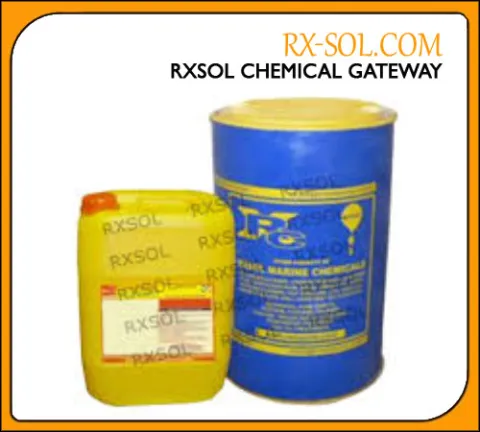
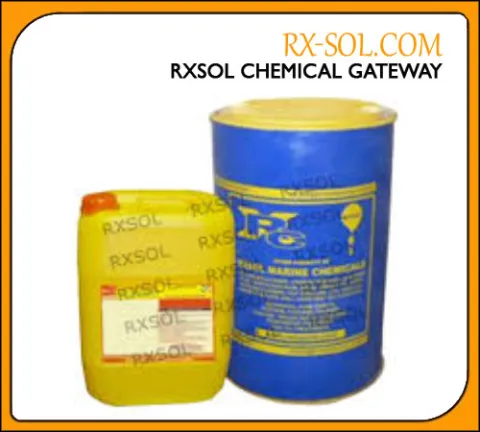
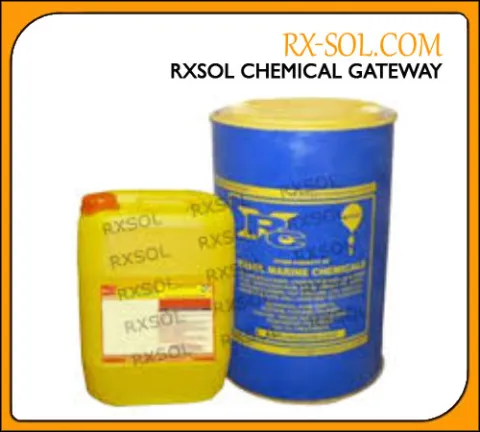
Dimethyl Sulfide (DMS)
- Part number
- RXSOL-19-3070-210
- Category
- Solvent Chemicals
- Brand
- RXSOL
Overview
Dimethyl sulfide (DMS), also known as methylthiomethane, is an organosulfur compound. It is a methyl sulfide, in which the sulfur atom is substituted by two methyl groups, with the chemical formula of (CH3)2S. It is a highly flammable straw-colored liquid, with a boiling point of 37 degrees Celsius, or 99 degrees Fahrenheit. This is a compound that is easily recognized by its foul odor, that is often described as “cabbage like”. Unlike many other organosulfur compounds, this disagreeable odor is present in even low concentrations of DMS. Dimethyl sulfide is the product of dimethylsulfoniopropionate (DMSP) breakdown, and is also the result of bacterial metabolism of methanethiol.
Technical specifications
| Form | Liquid |
| Colour | Colourless |
| Odour | Repulsive |
| Lower explosion limit | 2,2 %(V) |
| Upper explosion limit | 19,7 %(V) |
| Melting Point | -98.00 °C. @ 760.00 mm Hg |
| Boiling Point | 37 °C |
| Flash Point | -37 °C estimated |
| Oxidizing properties | yes |
| Autoignition temperature | 220 °C |
| Molecular formula | C2H6S |
| Molecular weight | 62,14 g/mol |
| Vapor pressure | 15,00 PSI at 38 °C |
| Secific Gravity | 0.85 |
| Solubility in Water | 7.280 MG/L at 20 °C |
| Viscosity,kinematic | 0,285 cSt at 20 °C |
| Relative vapor density | 2,1 (Air = 1.0) |
| Percent volatile : | > 99 % |
Applications
DMS is used to create surfactants, fabric softeners, water treatment chemicals, agricultural chemicals, drugs, and dyes. As a methylating agent, DMS can introduce a methyl group to oxygen, nitrogen, carbon, sulfur, phosphorous, and some metals.
While DMS is most often used as a methylating agent, it can sometimes be utilized in other contexts including in sulfonation, as a catalyst, as a solvent, and as a stabilizer.
DMS is also used in a range of organic syntheses, including as a reducing agent in ozonolysis reactions. It also has a use as a food flavoring component.
Characteristics and notes
Features & Benefits :
Dimethyl Sulfide is suitable for furnace operating temperatures and only needs one injection point since DMS disperse well throughout the furnace. At the same time it completely decomposes to H2S at 798°C.
Handling :
Avoid formation of aerosol. Do not breathe vapors/dust. For personal protection see section 8. Smoking, eating and drinking should be prohibited in the application area. Take precautionary measures against static discharges. Provide sufficient air exchange and/or exhaust in work rooms. Open drum carefully as content may be under pressure. Dispose of rinse water in accordance with local and national regulations.
Storage :
No smoking. Keep container tightly closed in a dry and well-ventilated place. Containers which are opened must be carefully resealed and kept upright to prevent leakage. Observe label precautions. Electrical installations / working materials must comply with the technological safety standards
Safety and SDS
Read the safety data sheet before handling. Wear suitable gloves and eye protection.
View safety data sheet
| Product Name | Dimethyl Sulfide (DMS) |
| Part Number |
RXSOL-19-3070-210 |
Company Details:
RX MARINE INTERNATIONAL
105, A wing , BSEL , TECH PARK.
VASHI ,NEW BOMBAY 400703 INDIA
Branch : Kandla, Surat, Mumbai, Chennai, Vizag, Kolkata , UAE & OMAN
| Phone | +91 22 20871200 - 1500 |
| Fax | +91 22 27612100 :::AOH :0091 9821214367 |
| rxsolchemicals@gmail.com | |
| Website | www.rxmarine.com |
| Name of Substance | Cas Number | EC Number | Weight % |
| Dimethyl Sulfide |
75-18-3 |
200-846-2 |
100% |
| Signal Word | Danger |
| Hazard Statements | H225 Highly flammable liquid and vapor. |
| Precautionary statements - prevention |
P210 Keep away from heat, hot surfaces, sparks, open flames and other ignition sources. No smoking. P233 Keep container tightly closed. P240 Ground and bond container and receiving equipment. P241 Use explosion-proof electrical/ ventilating/ lighting/ equipment. P242 Use non-sparking tools. P243 Take action to prevent static discharges. |
| Precautionary statements response | None |
| Other hazards | This substance/mixture contains no components considered to be either persistent, bioaccumulative and toxic (PBT), or very persistent and very bioaccumulative (vPvB) at levels of 0.1% or higher. |
| Skin Contact | In case of skin contact: Take off immediately all contaminated clothing. Rinse skin with water/ shower. |
| Eye Contact | After eye contact: rinse out with plenty of water. Remove contact lenses. |
| Inhalation: | Move to fresh air. If not breathing, give artificial respiration. Get medical attention ifm symptoms occur. Risk of serious damage to the lungs. |
| Ingestion | Clean mouth with water and drink afterwards plenty of water. Do not induce vomiting. Call a physician or Poison Control Center immediately. If vomiting occurs naturally, have victim lean forward. |
| Most important symptoms/effects | Breathing difficulties. Symptoms of overexposure may be headache, dizziness, tiredness, nausea and vomiting. |
| Notes to Physician | Treat symptomatically |
| If swallowed | After swallowing: make victim drink water (two glasses at most). Consult doctor if feeling unwell. |
| Most important symptoms and effects, both acute and delayed | The most important known symptoms and effects are described in the labelling (see section 2.2) and/or in section 11 |
| Indication of any immediate medical attention and special treatment needed | No data available |
| Indication of any immediate medical attention and special treatment needed | No data available |
| Flammability of the Product | Flammable. |
| Suitable extinguishing media | Carbon dioxide (CO2) Foam. Dry powder |
| Unsuitable extinguishing media | For this substance/mixture no limitations of extingui -shing agents are given. |
| Flash Point | 31 °C / 87.8 °F |
| AutoignitionTemperature | 465 °C / 869 °F |
| Explosion Limits Uper | 6.7% |
| Explosion Limits Lower | 0.9% |
| Sensitivity to Mechanical Impact | No information available |
| Sensitivity to Static Discharge | No information available |
| Specific Hazards Arising from the Chemical | Flammable. Containers may explode when heated. Vapors may form explosive mixtures with air. Vapors may travel to source of ignition and flash back. |
| Hazardous Combustion Products | Carbon monoxide (CO) Carbon dioxide (CO2) |
| Protective Equipment and Precautions for Firefighters | As in any fire, wear self-contained breathing appar -atus pressure-demand, MSHA/NIOSH (approved or equivalent) and full protective gear. |
| Further Information | Remove container from danger zone and cool with water. Suppress (knock down) gases/vapors/mists with a water spray jet. Prevent fire extinguishing water from contaminating surface water or the ground water system. |
| Special hazards arising from the substance or mixture | Carbon oxides Sulfur oxides Combustible. Pay attention to flashback. Development of hazardous combustion gases or vapours possible in the event of fire. Forms explosive mixtures with air at ambient temperatures. |
| Spillage | Absorb with an inert material and put the spilled material in an appropriate waste disposal.Flammable liquid. Keep away from heat. Keep away from sources of ignition. Stop leak if without risk. Absorb with DRY earth, sand or other non-combustible material. Do not touch spilled material. Prevent entry into sewers, basements or confined areas; dike if needed. Be careful that the product is not present at a concentration level above TLV. Check TLV on the MSDS and with local authorities. |
| Personal Protection | Advice for non-emergency personnel: Do not breathe vapors, aerosols. Ensure adequate ventilation. Keep away from heat and sources of ignition. Evacuate the danger area, observe emergency procedures, consult an expert. For personal protection see section 8. |
| Enviromental Precaution | Do not let product enter drains. Risk of explosion. |
| Methods and materials for containment and cleaning | Cover drains. Collect, bind, and pump off spills. Observe possible material restrictions (see sections 7 and 10). Take up with liquid-absorbent material (e.g. Chemizorb® ). Dispose of properly. Clean up affected area. |
| Reference to other sections | For disposal see section 13. |
| Handling | Advice on protection against fire and explosion Keep away from open flames, hot surfaces and sources of ignition.Take precautionary measures against static discharge. |
| Storage | Storage conditions Keep container tightly closed in a dry and well-ventilated place. Keep away from heat and sources of ignition. Handle and store under inert gas. Refrigerate before opening. Handle and open container with care. hygroscopic |
| Hygiene measures | Change contaminated clothing. Wash hands after working with substance. For precautions see section 2.2. |
| Specific end use(s) | Apart from the uses mentioned in section 1.2 no other specific uses are stipulated |
| Engineering Control | Provide exhaust ventilation or other engineering controls to keep the airborne concentrations of vapors below their respective threshold limit value. Ensure that eyewash stations and safety showers are proximal to the work-station location. |
| Personal Protection |
Eye/face Protection : Wear appropriate protective eyeglasses or chemical safety goggles as described by OSHA's eye and face protection regulations in 29 CFR 1910.133 or European Standard EN166. Skin and body protection : Wear appropriate protective gloves and clothing to prevent skin exposure. Long sleeved clothing.Flame retardant antistatic protective clothing. Respiratory Protection : Follow the OSHA respirator regulations found in 29 CFR 1910.134 or European Standard EN 149. Use a NIOSH/MSHA or European Standard EN 149 approved respirator if exposure limits are exceeded or if irritation or other symptoms are experienced. |
| Hygiene Measures | Handle in accordance with good industrial hygiene and safety practice. |
| Exposure Limits |
TWA: 100 (ppm) [Canada] TWA: 435 (mg/m3) [Canada] TWA: 434 STEL: 651 (mg/m3) from ACGIH (TLV) [United States] TWA: 100 STEL: 150 (ppm) from ACGIH (TLV) [United States] Consult local authorities for acceptable exposure limits. |
| Control of environmental exposure | Do not let product enter drains. Risk of explosion. |
| Body Protection | Flame retardant antistatic protective clothing. |
| Respiratory protection | required when vapours/aerosols are generated. Recommended Filter type: Filter type AX The entrepeneur has to ensure that maintenance, cleaning and testing of respiratory protective devices are carried out according to the instructions of the producer. These measures have to be properly documented. |
Gloves Suit
| Form | Liquid |
| Colour | Colourless |
| Odour | Malodorous, sulfurous |
| Odor Threshold | No data available |
| pH | No data available |
| Melting Point | -98 °C - lit. |
| Boiling Point | 38 °C - lit. |
| Flash Point | 31 °C / 87.8 °F |
| Evaporation Rate | No data available |
| Flammability (solid, gas) | No data available |
| Explosive limits |
Upper explosion limit: 19,7 %(V) Lower explosion limit: 2,2 %(V) |
| Vapour pressure | 532 hPa at 20 °C |
| Vapour Density | No data available |
| Secific Gravity | 0.878 |
| Decomposition Temperature | No data available |
| Partition coefficient | No data available |
| Autoignition Temperature | 220 °C at 999,7 - 1.001 hPa |
| Solubility in Water | Not Soluble |
| Viscosity | Viscosity, kinematic: No data available Viscosity, dynamic: 0,7 mPa.s at 20 °C - OECD Test Guideline 1140,51 mPa.s at 40 °C - OECD Test Guideline 114 |
| Molecular Formula | C8 H10 |
| Molecular Weight | 106.17 |
| Other safety information | Solubility in other solvents Ether at 20 °C - soluble Ethanol at 20 °C - soluble |
| Recativity Hazard | Vapors may form explosive mixture with air |
| Stability | The product is chemically stable under standard ambient conditions (room temperature) . |
| Possibility of hazardous reactions | Risk of explosion with: Peroxides Dioxane with Nitric acid Risk of ignition or formation of inflammable gases or vapours with: Oxidizing agents Oxygen |
| Conditions to avoid | Warming. |
| Incompatible materials | various plastics |
| Hazardous Decomposition Products | In the event of fire: see section 5 |
| Hazardous Polymerization | Hazardous polymerization does not occur. Hazardous Reactions None under normal processing |
| Acute oral toxicity | LD0 Oral - Rat - female - > 2.000 mg/kg (OECD Test Guideline 423) Remarks: Limit Test LC50 Inhalation - Rat - male and female - 4 h - 102 mg/l (OECD Test Guideline 403) Remarks: Lungs, Thorax, or Respiration:Other changes. LD0 Dermal - Rat - male and female - > 2.000 mg/kg (OECD Test Guideline 402) Remarks: Limit Test |
| Acute dermal toxic | Acute toxicity estimate : 1,134 mg/kg |
| Skin corrosion | No data available |
| Toxic Effects on Humans | Acute Potential Health Effects: Skin: Causes skin irritation. Can be absorbed through skin. Eyes: Causes eye irritation. Inhalation: Vapor causes respiratory tract and mucous membrane irritation. |
| Special Remarks on Chronic Effects on Humans | Detected in maternal milk in human. Passes through the placental barrier in animal. Embryotoxic and/or foetotoxic in animal. May cause adverse reproductive effects (male and femael fertility (spontaneous abortion and fetotoxicity) and birth defects based animal data. |
|
Further information After absorption: |
Headache, somnolence, Dizziness, euphoria, agitation, spasms, narcosis Effect potentiated by: ethanol Damage to: Kidney, Central nervous system, Liver |
| Germ cell mutagenicity | No data available Test Type: In vitro mammalian cell gene mutation test Test system: Mouse lymphoma test Metabolic activation: with and without metabolic activation Method: OECD Test Guideline 476 Result: negative Test Type: Ames test Test system: Escherichia coli/Salmonella typhimurium Metabolic activation: with and without metabolic activation Method: OECD Test Guideline 471 Result: negative Test Type: Micronucleus test Species: Mouse Cell type: Bone marrow Application Route: Oral Method: OECD Test Guideline 474 Result: negative |
| Carcinogenicity | No data available |
| Reproductive toxicity | No data available |
| Specific target organ toxicity - single exposure | No data available |
| Specific target organ toxicity - repeated exposure | No data available |
| Aspiration hazard | No data available |
| Additional Information | Repeated dose toxicity - Rat - male and female - Oral - 14 Weeks - NOAEL (No observed adverse effect level) - >= 250 mg/kg Remarks: Subchronic toxicity RTECS: PV5075000 Nausea, Headache, Vomiting To the best of our knowledge, the chemical, physical, and toxicological properties have not been thoroughly investigated. Systemic effects: After absorption of large quantities: CNS disorders somnolence Dizziness agitation, spasms narcosis Other dangerous properties can not be excluded. Handle in accordance with good industrial hygiene and safety practice. |
| Toxicity to Fish | Toxicity to fish semi-static test LC50 - Oncorhynchus mykiss (rainbow trout) - 213 mg/l - 96 h (OECD Test Guideline 203) Toxicity to daphnia and other aquatic invertebrates static test EC50 - Daphnia magna (Water flea) - 29 mg/l - 48 h (OECD Test Guideline 202) Toxicity to algae static test ErC50 - Pseudokirchneriella subcapitata (green algae) - > 113,7 mg/l - 72 h (OECD Test Guideline 201) |
| Persistence and degradability | Biodegradability aerobic - Exposure time 28 d Result: 77 % - Readily biodegradable. (OECD Test Guideline 301D) |
| COD and BOD 5 | Not Available |
| Products of Biodegradation: | No information available. |
| Mobility in soil | No data available |
| Results of PBT and vPvB assessment | This substance/mixture contains no components considered to be either persistent,bioaccumulative and toxic (PBT), or very persistent and very bioaccumulative (vPvB) at levels of 0.1% or higher. |
| Other adverse effects | No data available |
| Waste treatment Method | See www.retrologistik.com for processes regarding the return of chemicals and containers, or contact us there if you have further questions. |
| UN Number | : ADR/RID: 1164 | :IMDG: 1164 | IATA: 1164 |
| Proper shipping name | |||
| ADR/RID | : DIMETHYL SULPHIDE | ||
| IMDG | : DIMETHYL SULPHIDE | ||
| IATA | : Dimethyl sulphide | ||
| Transport hazard class(es) | : ADR/RID: 3 | IMDG: 3 |
IATA: 3 |
| Packaging group | : ADR/RID: II | IMDG: II | IATA: II |
| Environmental hazards | : ADR/RID: No | IMDG Marine Pollutant: No | IATA: No |
| Special precautions for user | : No data available |
| Fedral and State Regulation | This material safety data sheet complies with the requirements of Regulation (EC) No. 1907/2006. |
| Other Regulation | Take note of Dir 94/33/EC on the protection of young people at work |
| WHMIS (Canada) | CLASS B-2: Flammable liquid with a flash point lower than 37.8°C (100°F). CLASS D-2A: Material causing other toxic effects (VERY TOXIC). |
| DSCL (EEC) | R11- Highly flammable. R38- Irritating to skin. R41- Risk of serious damage to eyes. |
| Safety, health and environmental regulations/legislation specific for the substance or mixture | This material safety data sheet complies with the requirements of Regulation (EC) No. 1907/2006. |
| National legislation | Seveso III: Directive 2012/18/EU of the European Parliament and of the Council on the control of major-accident hazards involving dangerous substances. : FLAMMABLE LIQUIDS : FLAMMABLE LIQUIDS |
| Other Information |
The information above is believed to be accurate and represents the best information currently available to us. However, we make no warranty of merchantability or any other warranty, express or implied, with respect to such information, and we assume no liability resulting from its use. Users should make their own investigations to determine the suitability of the information for their particular purposes. In no event shall be liable for any claims, losses, or damages of any third party or for lost profits or any special, indirect, incidental, consequential or exemplary damages, howsoever arising, even if Rx Marine International has been advised of the possibility of such damages. DISCLAIMER OF LIABILITY :The information in this SDS was obtained from sources which we believe are reliable. However, the information is provided without any warranty, express or implied, regarding its correctness. The conditions or methods of handling, storage, use or disposal of the product are beyond our control and may be beyond our knowledge. For this and other reasons, we do not assume responsibility and expressly disclaim liability for loss, damage or expense arising out of or in any way connected with the handling, storage, use or disposal of the product. This MSDS was prepared and is to be used only for this product. If the product is used as a component in another product, this MSDS information may not be applicable. |
Availability
Dimethyl Sulfide (DMS) manufacturer supplier distributor in Mumbai, Kandla, Kolkata, Vizag, Chennai, India, Fujairah, Dubai, Sharjah, UAE, Gulf, Middle East, Muscat Oman, Kenya Africa. Get the best quality of Dimethyl Sulfide (DMS) at a competitive price from us. We have ready stock of Dimethyl Sulfide (DMS) in India, UAE Gulf, Oman, Kenya Africa. Contact us for bulk as well as small orders.