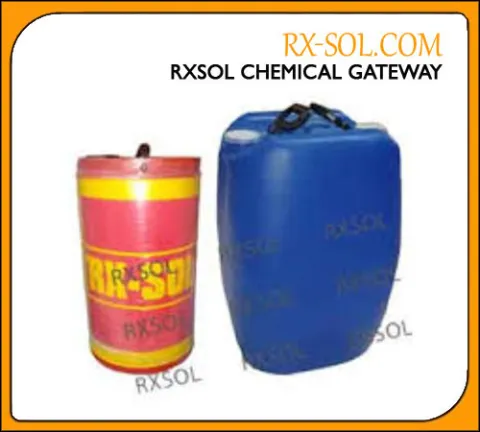
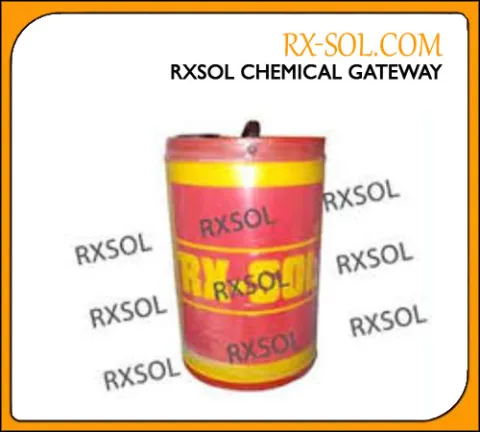
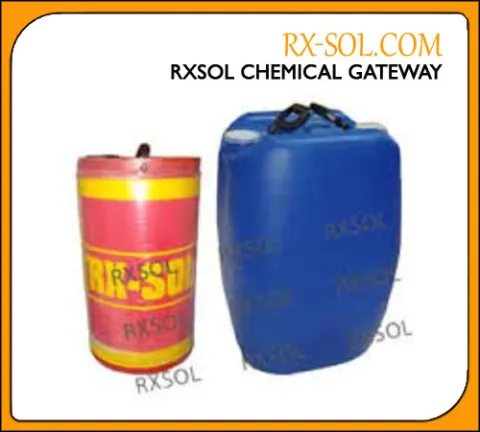
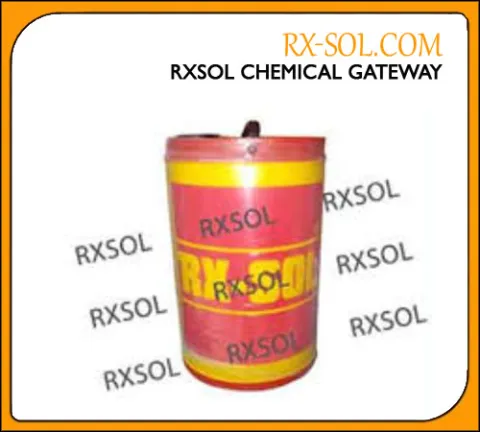
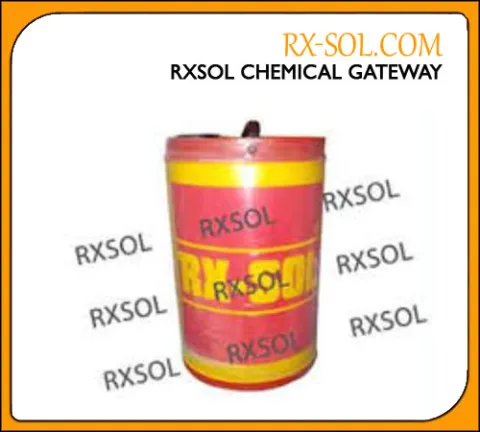
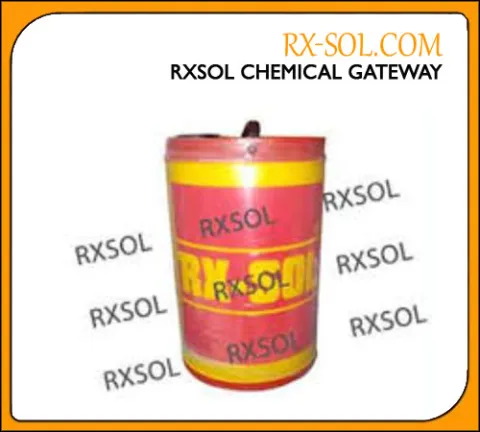
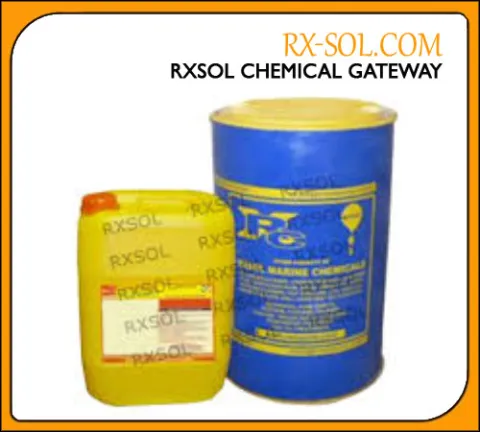
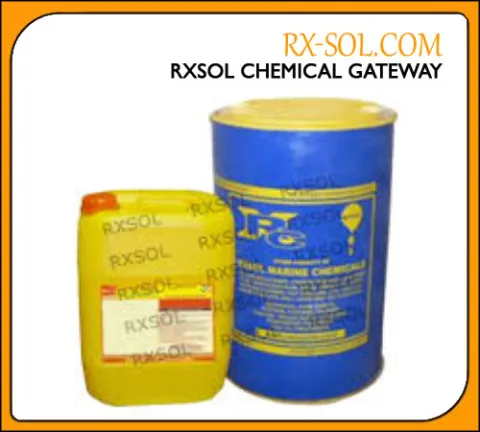
Radiator Coolant 20% Conc.
- Part number
- RXSOL-40-4045-210
- Category
- Coolant Glycol Antifreeze
- Brand
- RXSOL
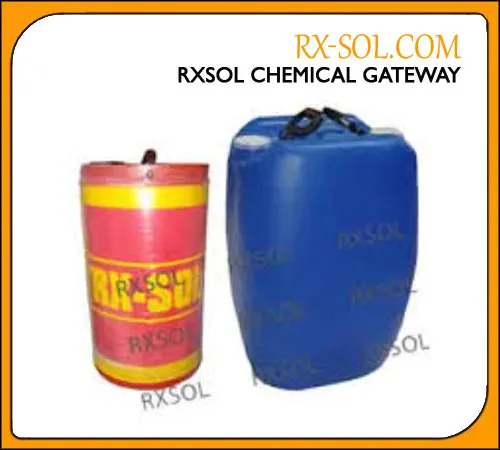
Overview
This is an inhibitor concentrate/chemical which is added to the cooling water of internal combustion engines in cases in which the coolant does not need to be protected from freezing. It efforts excellent protection against cavitation and corrosion to all metals and alloys that are used in cooling systems.It is especially appropiate for the use in heavy-duty engines such as those used in trucks, ships and lokomotives.
• High performance corrosion inhibitor
• Being a nitrite free product it is compatible also with zinc - coated piping
• Easy control test with refractometer.
Technical specifications
RXSOL Radiator Flush cleans rust, scale & deposits from cooling systems. Boosts engine performance, protects radiators and is safe for all vehicle type.
Applications
This is an inhibitor concentrate/chemical which is added to the cooling water of internal combustion engines in cases in which the coolant does not need to be protected from freezing. It efforts excellent protection against cavitation and corrosion to all metals and alloys that are used in cooling systems. It is especially appropiate for the use in heavy-duty engines such as those used in trucks, ships and lokomotives.
Dosage and directions
Dilution with water is usually used, resulting in a freezing point of about −34 °F (−37 °C), depending on the formulation. In warmer or colder areas, weaker or stronger dilutions are used, respectively, but a range of 40%/60% to 60%/40% is frequently specified to ensure corrosion protection, and 70%/30% for maximum freeze prevention down to −84 °F (−64 °C).
Characteristics and notes
Features:
- High performance corrosion inhibitor
- Being a nitrite free product it is compatible also with zinc – coated piping
- Easy control test with refractometer.
Using Procedure:
Dilution with water is usually used, resulting in a freezing point of about %u221234 °F (%u221237 °C), depending on the formulation. In warmer or colder areas, weaker or stronger dilutions are used, respectively, but a range of 40%/60% to 60%/40% is frequently specified to ensure corrosion protection, and 70%/30% for maximum freeze prevention down to 84 °F (64 °C).
Safety and SDS
Read the safety data sheet before handling. Wear suitable gloves and eye protection.
View safety data sheet
| Product Name | Radiator Coolant 20% Conc |
| Product Type | RXSOL-40-4045-210 |
Company Details:
RX MARINE INTERNATIONAL
105, A wing , BSEL , TECH PARK.
VASHI ,NEW BOMBAY 400703 INDIA
Stock Point : Mumbai, Kolkata, Chennai, Gandhidham, Visakhapatnam, Fujairah, Muscat, Canada
| Phone | +91 22 27815541 / 42 |
| Fax | +91 22 2781 1318 :::AOH :0091 9821214367 |
| rxsolchemicals@gmail.com |
|
Ingredient |
CAS No |
|
Ethylene Glycol |
107-21-1 |
CLASSIFICATION: Target organ toxicant (repeated exposure): Category 2. Acute oral toxicant: Category 4.
Health Hazards: Harmful if swallowed.
Target Organs: May cause damage to organs (Kidney) through prolonged or repeated exposure.
PRECAUTIONARY STATEMENTS:
Prevention: Do not breathe dust/fume/gas/mist/vapours/spray. Do not eat, drink or smoke when using this product. Wash thoroughly after handling.
Response: IF SWALLOWED: Rinse mouth. Call a poison center or doctor/physician if you feel unwell. Get medical advice/attention if you feel unwell.
Disposal: Dispose of contents/container in accordance with applicable local/regional/national/international .
|
Inhalation |
Remove victim from exposure - avoid becoming a casualty. Remove contaminated clothing and loosen remaining clothing. Allow patient to assume most comfortable position and keep warm. Keep at rest until fully recovered. Seek medical advice if effects persist. |
|
Skin Contact: |
If skin or hair contact occurs, remove contaminated clothing and flush skin and hair with running water. If swelling, redness, blistering or irritation occurs seek medical assistance |
| Eye contact | If in eyes wash out immediately with water. In all cases of eye contamination it is a sensible precaution to seek medical advice. |
| Ingestion | Rinse mouth with water. If swallowed, do NOT induce vomiting. Give a glass of water to drink. Never give anything by the mouth to an unconscious patient. If vomiting occurs give further water. Immediately call Poisons Centre or Doctor. |
| PPE for First Aiders | Wear safety shoes, overalls, gloves, safety glasses. Available information suggests that gloves made from nitrile rubber should be suitable for intermittent contact. However, due to variations in glove construction and local conditions, the user should make a final assessment. Always wash hands before smoking, eating, drinking or using the toilet. Wash contaminated clothing and other protective equipment before storing or re-using. |
|
Notes to physician |
Treat symptomatically. |
Hazchem Code: Not applicable.
Suitable extinguishing media: If material is involved in a fire use water fog (or if unavailable fine water spray), alcohol resistant foam, standard foam,
dry agent (carbon dioxide, dry chemical powder).
Specific hazards: Combustible material.
Fire fighting further advice: On burning or decomposing may emit toxic fumes. Fire fighters to wear selfcontained breathing apparatus and suitable
protective clothing if risk of exposure to vapour or products of combustion or decomposition.
|
SMALL SPILLS |
Wear protective equipment to prevent skin and eye contamination. Avoid inhalation of vapours or dust. Wipe up with absorbent (clean rag or paper towels). Collect and seal in properly labelled containers or drums for disposal. |
|
LARGE SPILLS |
Clear area of all unprotected personnel. Slippery when spilt. Avoid accidents, clean up immediately. Wear protective equipment to prevent skin and eye contamination and the inhalation of vapours. Work up wind or increase ventilation. Contain - prevent run off into drains and waterways. Use absorbent (soil, sand or other inert material). Collect and seal in properly labelled containers or drums for disposal. If contamination of crops, sewers or waterways has occurred advise local emergency services. |
|
Handling |
Avoid eye contact and skin contact. Avoid inhalation of vapour, mist or aerosols. |
| Storage | Store in a cool, dry, well-ventilated place and out of direct sunlight. Store away from foodstuffs. Store away from incompatible materials described in Section 10. Store away from sources of heat and/or ignition. Keep container standing upright. Keep containers closed when not in use - check regularly for leaks. This material is a Scheduled Poison Schedule 5 (Caution) and must be stored, maintained and used in accordance with the relevant regulations. |
GENERAL CONSIDERATIONS: Consider the potential hazards of this material (see Section 2), applicable exposure limits, job activities, and other substances in the work place when designing engineering controls and selecting personal protective equipment. If engineering controls or work practices are not adequate to prevent exposure to harmful levels of this material, the personal protective equipment listed below is recommended. The user should read and understand all instructions and limitations supplied with the equipment since protection is usually provided for a limited time or under certain circumstances.
ENGINEERING CONTROLS: Use process enclosures, local exhaust ventilation, or other engineering controls to control airborne levels below the recommended exposure limits.
PERSONAL PROTECTIVE EQUIPMENT
Eye/Face Protection: No special eye protection is normally required. Where splashing is possible, wear safety glasses with side shields as a good safety practice.
Skin Protection: No special protective clothing is normally required. Where splashing is possible, select protective clothing depending on operations conducted, physical requirements and other substances in the workplace.
Suggested materials for protective gloves include: Natural rubber, Neoprene, Nitrile Rubber, Polyvinyl Chloride (PVC or Vinyl).
Respiratory Protection: Determine if airborne concentrations are below the recommended occupational exposure limits for jurisdiction of use. If airborne concentrations are above the acceptable limits, wear an approved respirator that provides adequate protection from this material, such as: Air-Purifying Respirator for Organic Vapors, Dusts and Mists. Use a positive pressure air-supplying respirator in circumstances where air-purifying respirators may not provide adequate protection.
National occupational exposure limits:
TWA STEL NOTICES
ppm mg/m3 ppm mg/m3
Ethylene glycol (particulate) - 10 - - Sk
Ethylene glycol (vapour) 20 52 40 104 Sk
Form: Liquid
Solubility: Miscible with water
Specific Gravity (20 °C): 1.14 approx
Relative Vapour Density (air=1): >1
Vapour Pressure (20 °C): N Av
Flash Point (°C): >121
Flammability Limits (%): N Av
Autoignition Temperature (°C): N Av
Melting Point/Range (°C): N Av
Boiling Point/Range (°C): 166
pH: 6.5 (approx)
Viscosity: N Av
Chemical stability: This material is thermally stable when stored and used as directed.
Conditions to avoid: Elevated temperatures and sources of ignition.
Incompatible materials: Oxidising agents.
Hazardous decomposition products: Oxides of carbon and nitrogen, smoke and other toxic fumes.
Hazardous reactions: No known hazardous reactions.
Information on toxicological effects
Serious Eye Damage/Irritation: The eye irritation hazard is based on evaluation of data for product components.
Skin Corrosion/Irritation: The skin irritation hazard is based on evaluation of data for product components.
Skin Sensitization: The skin sensitization hazard is based on evaluation of data for similar materials.
Acute Dermal Toxicity: The acute dermal toxicity hazard is based on evaluation of data for product components.
Acute Oral Toxicity: The acute oral toxicity hazard is based on evaluation of data for product components.
Acute Inhalation Toxicity: The acute inhalation toxicity hazard is based on evaluation of data for product components.
Acute Toxicity Estimate (oral): 1688 mg/kg
Germ Cell Mutagenicity: The hazard evaluation is based on data for components or a similar material.
Carcinogenicity: The hazard evaluation is based on data for components or a similar material.
Reproductive Toxicity: The hazard evaluation is based on data for components or a similar material.
Specific Target Organ Toxicity - Single Exposure: The hazard evaluation is based on data for components or a similar material.
Specific Target Organ Toxicity - Repeated Exposure: The hazard evaluation is based on data for components or a similar material.
ADDITIONAL TOXICOLOGY INFORMATION: This product contains ethylene glycol (EG). The toxicity of EG via inhalation or skin contact is expected to be slight at room temperature. The estimated oral lethal dose is about 100 cc (3.3 oz.) for an adult human. Ethylene glycol is oxidized to oxalic acid which results in the deposition of calcium oxalate crystals mainly in the brain and kidneys. Early signs and symptoms of EG poisoning may resemble those of alcohol intoxication. Later, the victim may experience nausea, vomiting, weakness, abdominal and muscle pain, difficulty in breathing and decreased urine output. When EG was heated above the boiling point of water, vapors formed which reportedly caused unconsciousness, increased lymphocyte count, and a rapid, jerky movement of the eyes in persons chronically exposed. When EG was administered orally to pregnant rats and mice, there was an increase in fetal deaths and birth defects. Some of these effects occurred at doses that had no toxic effects on the mothers. We are not aware of any reports that EG causes reproductive toxicity in human beings.
ECOTOXICITY This material is not expected to be harmful to aquatic organisms. The product has not been tested. The statement has been derived from products of a similar structure and composition.
MOBILITY No data available.
PERSISTENCE AND DEGRADABILITY This material is expected to be readily biodegradable. The biodegradability of this material is based on an evaluation of data for the components or a similar material. The product has not been tested. The statement has been derived from the properties of the individual components.
POTENTIAL TO BIOACCUMULATE Bioconcentration Factor: No data available.
Octanol/Water Partition Coefficient: No data available
Use material for its intended purpose or recycle if possible. This material, if it must be discarded, may meet the criteria of a hazardous waste as defined by international, country, or local laws and regulations.
The description shown may not apply to all shipping situations. Consult 49CFR, or appropriate Dangerous Goods Regulations, for additional description requirements (e.g., technical name) and mode-specific or quantity-specific shipping requirements.
DOT Shipping Description: PROPRIETARY ANTIFREEZE PREPARATION IN NON-BULK PACKAGING; NOT REGULATED FOR TRANSPORT UNDER 49 CFR.
Additional Information: Bulk shipments containing a reportable quantity (RQ, 5000 pounds or more) of ethylene glycol in a single packaging are transported as hazardous material.
The shipping description is: UN3082, ENVIRONMENTALLY HAZARDOUS SUBSTANCE, LIQUID, N.O.S. (ETHYLENE GLYCOL CONTAINS BITTERANT), 9, III, RQ (ETHYLENE GLYCOL)
IMO/IMDG Shipping Description: NOT REGULATED AS DANGEROUS GOODS FOR TRANSPORT UNDER THE IMDG CODE
ICAO/IATA Shipping Description: NOT REGULATED AS DANGEROUS GOODS FOR TRANSPORT UNDER ICAO
Transport in bulk according to Annex II of MARPOL 73/78 and the IBC code: Not applicable
This material is not subject to the following international agreements:
Montreal Protocol (Ozone depleting substances)
The Stockholm Convention (Persistent Organic Pollutants)
The Rotterdam Convention (Prior Informed Consent)
Basel Convention (Hazardous Waste) International Convention for the Prevention of Pollution from Ships (MARPOL)
This material/constituent(s) is covered by the following requirements:
• The Standard for the Uniform Scheduling of Medicines and Poisons (SUSMP) established under the Therapeutic Goods Act (Commonwealth).
• All components of this product are listed on or exempt from the Australian Inventory of Chemical Substances (AICS).
• All components of this product are listed on or exempt from the New Zealand Inventory of Chemical (NZIoC).
HSNO Group Standard: HSR002606 - Lubricants, Lubricant Additives, Coolants and Anti-freeze Agents (Subsidiary Hazard) Group Standard
The information provided about the product on this Safety Data Sheet has been compiled from knowledge of the individual constituents.The data given here is based on current knowledge and experience. This Safety Data Sheet describes the product .in terms of safety requirements and does not signify any warranty with regard to the product's properties The data given here only applies when product used for proper application(s). The product is not sold as suitable for other applications - usage in such may cause risks not mentioned in this sheet. Do not use for other.
DISCLAIMER OF LIABILITY :The information in this SDS was obtained from sources which we believe are reliable. However, the information is provided without any warranty, express or implied, regarding its correctness. The conditions or methods of handling, storage, use or disposal of the product are beyond our control and may be beyond our knowledge. For this and other reasons, we do not assume responsibility and expressly disclaim liability for loss, damage or expense arising out of or in any way connected with the handling, storage, use or disposal of the product. This MSDS was prepared and is to be used only for this product. If the product is used as a component in another product, this MSDS information may not be applicable.
Availability
Radiator Coolant 20% Conc manufacturer and supplier in India - UAE - Middle East - Oman. Most Popular supplier of Radiator Coolant 20% Conc. in Muscat Sohar Oman, Abudhabi Sharjah, Dubai, Ajman, Fujairah, Mumbai, Kandla, Kolkata, Vizag - Visakhapatnam, Gandhidham